This resolution designates June 6, 2026, as National Naloxone Awareness Day to promote education, reduce stigma, and increase access to the life-saving opioid overdose reversal medication.
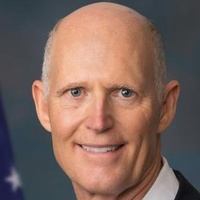
Rick Scott
Senator
FL
This resolution designates June 6, 2026, as National Naloxone Awareness Day to increase public understanding and access to naloxone, the life-saving medication that reverses opioid overdoses. The day aims to educate the public on how to use naloxone and reduce the stigma surrounding substance use disorder. It encourages broad support for expanding the availability and distribution of this critical medication.
National Naloxone Awareness Day Set for June 2026: New Push to Put Overdose-Reversing Meds in Every First Aid Kit.
This resolution marks June 6, 2026, as National Naloxone Awareness Day, a move designed to pull a life-saving tool out of the shadows and into the mainstream. With opioid overdoses claiming over 43,000 lives in a single year and fentanyl-related poisonings becoming a leading cause of death for people aged 18 to 44, the goal is to make naloxone—a medication that can stop an overdose in its tracks—as common and understood as a fire extinguisher. By setting a specific date, the resolution aims to normalize carrying the medication and ensure that whether you're at a construction site, an office, or a family dinner, someone knows how to use it.
A New Standard for the Medicine Cabinet
The resolution highlights that the FDA has already cleared the way for a 10-milligram dose to be available over the counter and extended the shelf life of 4-milligram nasal sprays to four years. For a busy parent or a small business owner, this means the medication is becoming easier to buy and manage without a doctor's visit, and it won't expire as quickly as it used to. By emphasizing these changes, the resolution pushes for a world where keeping naloxone in your car or workplace is a standard safety precaution rather than a source of stigma. It’s about making sure that when a crisis happens, the person standing there has the tools to act before first responders even arrive.
Cutting Through the Red Tape
Beyond just picking a day on the calendar, the resolution calls on heavy-hitting federal agencies like the CDC and the DEA to ramp up education and strip away the barriers that make it hard to distribute this medication. It’s a direct nudge to local and state governments to work with nonprofits to get naloxone into more hands. For the average person, this could look like more community training sessions at the local library or easier access to kits at pharmacies. By focusing on education and reducing the social 'ick factor' around substance use disorder, the resolution tries to ensure that saving a life doesn't get sidelined by a lack of information or fear of judgment.