This resolution recognizes the escalating global threats to press freedom and reaffirms the vital role of a free press in upholding democracy and human rights worldwide.
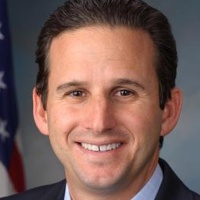
Brian Schatz
Senator
HI
This resolution recognizes the escalating global threats to press freedom and reaffirms the vital role of a free and independent press in upholding democracy and informing the public. It condemns actions that suppress journalism and endangers journalists worldwide, especially in conflict zones. The resolution calls for the immediate release of wrongfully detained journalists and reaffirms press freedom as a priority of U.S. foreign policy.
Congress Backs Global Press Freedom: Resolution Affirms Vital Role of Journalists by May 3, 2026
Ever wonder how we stay in the loop about what’s happening across the globe, especially when things get messy? Often, it’s through the grit and grind of journalists. A new resolution from Congress, marking "World Press Freedom Day" on May 3, 2026, is basically a big shout-out to these folks, recognizing the escalating threats they face and reaffirming that a free press is absolutely essential for a functioning democracy and an informed public.
Why This Matters: More Than Just Headlines
This resolution kicks off by saying what many of us intuitively know: a free press isn't just a nice-to-have; it's a foundational piece of a free society. Think about it – how do governments get held accountable? How do we find out about corruption or public health crises? Often, it’s because journalists are out there, digging for facts and sharing them. The resolution highlights that this kind of reporting fosters economic prosperity, keeps the public informed, and is a key goal for U.S. foreign policy. It's about ensuring that the stories that need to be told, get told, and that the people telling them are safe.
The Global Squeeze on Information
Here’s where it gets a bit heavy: the resolution points out that press freedom worldwide is in a tough spot, hitting a 25-year low. Journalists are facing everything from censorship and imprisonment to physical attacks and even death. It specifically calls out the conflict in Gaza as one of the deadliest for journalists on record, and lists countries like China, Russia, Cuba, and Iran where reporters are currently locked up. This isn’t just about abstract ideals; it's about real people in dangerous situations, trying to get us the truth. The resolution condemns all actions that suppress press freedom and endanger journalists, calling for the immediate release of those wrongfully detained.
What It Means for U.S. Policy
So, what's Congress actually doing with this resolution? It’s not just talk. It’s formally reaffirming that press freedom is a central pillar of the United States Government’s efforts to support democracy, mitigate conflict, and promote human rights and good governance globally. It specifically calls on the President and the Secretary of State to step up. This means preserving and building on U.S. leadership in press freedom, transparently investigating attacks against American journalists, supporting investigations into attacks on journalists of other nationalities, and generally promoting respect for press freedom worldwide. Essentially, it’s a directive to make sure the U.S. is actively championing the cause of a free press, both at home and abroad. For everyday folks, this means the U.S. is putting its weight behind the idea that accurate, independent information is a right, not a privilege, and that those who provide it deserve protection.