This resolution supports the U.S. dollar as the world's reserve currency and calls for measures to counter the People's Republic of China's efforts to undermine its global standing.
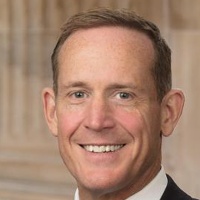
Ted Budd
Senator
NC
This resolution supports the continued role of the U.S. dollar as the world's primary reserve currency. It expresses concern over the People's Republic of China's efforts to undermine the dollar through currency manipulation and the development of a parallel financial system. The bill calls for monitoring these Chinese actions and taking steps to strengthen the dollar's global standing.
New Resolution Targets China's Economic Moves, Aims to Bolster U.S. Dollar's Global Standing
Alright, let's talk about something that might sound like high-level finance but actually touches on everything from your job security to the price of goods at your local store: the U.S. dollar's role in the world. This new resolution from Congress is basically saying, "Hey, China's making moves, and we need to keep the dollar strong." It's a formal statement, a bit like a strongly worded memo, outlining concerns about China's growing economic influence and how that could chip away at the U.S. dollar's long-standing position as the world's go-to currency.
The Dollar's Shifting Sands
For decades, the U.S. dollar has been the undisputed heavyweight champ of global currencies. Think of it as the default setting for international trade, investments, and even how countries hold their rainy-day funds. This resolution points out that while the dollar was once about 71% of global currency reserves in 1999, it's now sitting around 56.82% as of late 2025. That's still a big chunk, but the trend is what's getting attention. The resolution highlights that China, through its central bank, has been actively preventing its own currency, the yuan, from appreciating, with some estimates suggesting it's undervalued by as much as 41%. This isn't just a technical detail; it means Chinese goods can be cheaper on the global market, potentially impacting manufacturing jobs and trade balances right here at home.
China's Global Economic Playbook
This resolution also flags how China is building out a parallel financial system, which could have some significant ripple effects. For instance, through its massive Belt and Road Initiative (BRI), China has poured over $1 trillion into developing countries since 2013, with a record $213.5 billion in 2025 alone. While that sounds like a lot of development, the resolution points out that these loans are often opaque and potentially unsustainable, making China the world's largest official creditor. This could make it harder for countries to get out of debt, and it gives China a lot of leverage. Imagine your neighbor getting a huge loan from a new, less transparent lender; it changes the whole dynamic of the block. The resolution also notes China's push for its digital yuan for cross-border transactions and the expansion of the BRICS group (Brazil, Russia, India, China, South Africa, plus some new members), with some members even looking into a competitor currency to the dollar. This isn't just about digital cash; it's about creating alternatives to the dollar-backed financial systems that have been the norm for decades. For regular folks, if more global trade happens outside the dollar system, it could eventually affect the dollar's value, potentially leading to higher import costs or shifts in investment opportunities.
What This Means for Everyday Life
So, what does all this high-finance talk mean for you? Well, the resolution argues that these moves by China pose a threat to the U.S. economy and national security. If the dollar's global standing weakens, it could mean a few things: your purchasing power might shift, the cost of imported goods could change, and the overall stability of the financial system we all rely on could face new pressures. The resolution calls for the U.S. to protect the dollar's status and strengthen economic ties with other regions, essentially saying we need to keep our economic house in order and build stronger alliances to counter these trends. While the resolution itself doesn't enact new laws, it's Congress saying, "We see what's happening, and we're officially concerned." It's a signal that more concrete actions could follow to ensure the U.S. dollar remains strong, which ultimately impacts everything from gas prices to the interest rates on your mortgage.