This resolution expresses support for designating April 2026 as "Fair Chance Jobs Month" to promote employment and reduce barriers for people with criminal records.
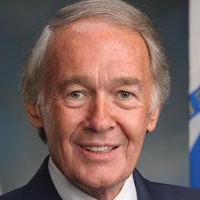
Edward "Ed" Markey
Senator
MA
This resolution expresses support for designating April 2026 as "Fair Chance Jobs Month." It aims to promote employment opportunities for people with criminal records by advocating for the removal of barriers to fair-chance hiring. The bill supports expanding workforce programs and fostering collaboration to help formerly incarcerated individuals secure stable jobs and successfully reenter society.
April 2026 Set to Become 'Fair Chance Jobs Month' to Boost Employment for Formerly Incarcerated Individuals
Alright, let's talk about something that affects a huge chunk of our neighbors, friends, and family members: finding a job after you’ve had a run-in with the law. This resolution isn't about passing a new law with immediate, direct impacts on your bank account, but it’s laying the groundwork for some pretty significant changes down the road. It’s all about getting the Senate to officially back the idea of designating April 2026 as “Fair Chance Jobs Month.” Think of it as a big, official nod to a problem that’s been quietly impacting millions of people and, by extension, our communities and economy.
The Stigma Struggle is Real
So, what's this resolution really getting at? It’s shining a big spotlight on the fact that nearly 80 million people in the U.S. have an arrest or conviction record. That’s a massive number, folks. And every year, over 600,000 people are released from prisons, ready to re-enter society, but they hit a brick wall. The resolution points out that almost 23% of formerly incarcerated individuals are unemployed at any given time. Imagine trying to get back on your feet, but every job application feels like an uphill battle because of something in your past. This isn't just about individual hardship; it’s about a huge pool of talent and potential that's being sidelined. The resolution directly states that formerly incarcerated individuals earn nearly $100 less per week than the average worker, showing a clear economic disadvantage.
Breaking Down Barriers, One License at a Time
One of the biggest hurdles for folks with a record? Occupational licenses. This resolution highlights that there are roughly 14,000 laws and regulations and about 48,000 "collateral consequences" that restrict formerly incarcerated individuals from getting the licenses they need for certain jobs. We're talking about things like becoming a barber, an electrician, or even a real estate agent. In 20 states and D.C., licensing boards can just flat-out reject applicants with prior convictions. This isn't just a minor inconvenience; it's a systemic roadblock that keeps people from working stable, well-paying jobs and contributing to the economy. The resolution supports efforts to remove these kinds of barriers, including employer liability rules and insurance limits, which often scare off potential employers.
More Than Just a Job: Housing, Health, and Hope
This resolution isn't just focused on jobs, although that's a huge part of it. It also touches on the broader challenges faced by returning citizens. For instance, formerly incarcerated people face housing insecurity and homelessness at rates 10 times higher than the general public. And let’s not forget healthcare: they have higher rates of chronic conditions and lower health insurance coverage. The resolution aims to ensure people impacted by incarceration can obtain stable jobs, housing, healthcare, and nutrition, recognizing that these are all interconnected. It also backs expanding workforce programs—think pre-apprenticeships, career coaching, resume building, and tech training—to give people the skills they need to succeed, noting that vocational training can make individuals 28% more likely to find employment within a year of reentry.
Building Bridges, Not Walls
Ultimately, this resolution is about fostering collaboration. It’s encouraging federal, state, and local agencies to team up with community groups, employers, unions, and even currently and formerly incarcerated individuals themselves. The goal is to publicize job opportunities, educate employers on fair-chance hiring, and help heal communities affected by mass incarceration. While it’s a resolution of support and not a new law, it’s a significant step in acknowledging a widespread issue and signaling a desire to move towards a more inclusive and productive future for everyone. It’s about making sure that a past mistake doesn't permanently close the door on a productive future.