This resolution supports designating the week of April 27 through May 1, 2026, as "National Specialized Instructional Support Personnel Appreciation Week" to recognize their vital role in student success.
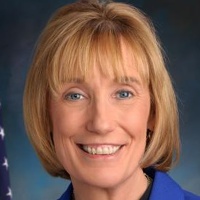
Margaret "Maggie" Hassan
Senator
NH
This resolution supports designating the week of April 27 through May 1, 2026, as "National Specialized Instructional Support Personnel Appreciation Week." It recognizes the vital role of over one million school-based professionals, such as counselors, social workers, and therapists, in removing barriers to learning for all students. The bill encourages awareness of how these experts improve student outcomes, mental health, and school climate.
Resolution Designates April 27-May 1, 2026, as 'National Specialized Instructional Support Personnel Appreciation Week'
This resolution is all about giving a shout-out to the unsung heroes in our schools: the Specialized Instructional Support Personnel. We're talking about a massive group, over a million strong, that includes school counselors, social workers, psychologists, nurses, and various therapists. Basically, anyone who’s there to help students with more than just academics.
The School Support Squad
So, what exactly do these folks do? A lot, actually. The resolution highlights their role in providing crucial prevention and early intervention services. Think about it: they're the ones stepping in to help reduce barriers to learning, whether that's a student struggling with anxiety, a family needing resources, or a child needing speech therapy. They work hand-in-hand with teachers, school leaders, and parents, creating a team effort to make sure every student has a fair shot at success. This isn't just about grades; it’s about supporting communication skills, social development, physical wellness, and mental health, making sure kids feel safe and supported enough to learn.
Why This Matters for Everyone
Designating April 27 through May 1, 2026, as “National Specialized Instructional Support Personnel Appreciation Week” isn't just a pat on the back. It’s about shining a spotlight on the critical role these professionals play in our communities. The resolution points out that their work isn't just good for individual students; it uses evidence-based practices to improve overall school climate, reduce drug use, and even boost community safety. For parents, this means acknowledging the people who are often the first line of defense for their kids’ well-being beyond the classroom. For anyone working in or around schools, it's a recognition of the complex network of support that keeps things running. Essentially, it’s a push for federal, state, and local policymakers to really get how important these roles are and to encourage sharing best practices so more schools can replicate success stories. It’s about making sure these vital services aren't just an afterthought but a recognized and celebrated cornerstone of our education system.