This resolution designates the week of April 13 through April 19, 2026, as "National Osteopathic Medicine Week" to recognize the contributions of osteopathic physicians and medical students.
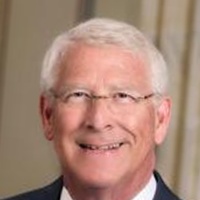
Roger Wicker
Senator
MS
This resolution designates the week of April 13 through April 19, 2026, as "National Osteopathic Medicine Week." It recognizes the significant contributions of osteopathic physicians and students, highlighting their whole-person approach to healthcare and vital role in addressing physician shortages, particularly in primary care. The week celebrates the history and dedication of osteopathic medicine in improving community health across the nation.
2026 to Mark 'National Osteopathic Medicine Week' in Mid-April
Alright, let's talk about something that might not grab headlines but is pretty important for our healthcare system. We've got a resolution on the table that's all about giving a shout-out to osteopathic medicine. Basically, it wants to officially designate the week of April 13 through April 19, 2026, as "National Osteopathic Medicine Week." Think of it as a dedicated time to recognize the folks who practice this specific type of medicine.
The 'What's Up, Doc?' of Osteopathic Medicine
So, what's this all about? The resolution is a big recognition piece. It points out that there are over 167,000 osteopathic physicians and nearly 40,000 students in the U.S., which is a pretty significant chunk of our medical workforce. In fact, the number of these docs has shot up by more than 70,000 in just the last decade. That's a serious growth spurt for a medical field.
These doctors and students train at schools that are often found in rural and underserved communities. The resolution highlights that four of the top ten medical schools sending graduates to medically underserved areas are osteopathic. That's a big deal when we're constantly hearing about doctor shortages, especially in places that really need them. It also notes that 53 percent of osteopathic medical students in 2025 went into primary care residency positions. If you've ever tried to get a timely appointment with a family doctor, you know how crucial primary care is, and these numbers suggest osteopathic physicians are stepping up to fill that gap.
A Whole-Person Approach to Your Health
What sets osteopathic medicine apart, according to this resolution, is its "whole-person, patient-centered approach to healthcare." This means they're not just looking at your symptoms; they're considering your entire lifestyle, environment, and how everything connects. They're trained and practice across all medical specialties, just like other doctors, but with this foundational philosophy. It's about treating the body, mind, and spirit as one integrated system. So, if you've ever felt like your doctor was just rushing you through, this approach might sound pretty appealing.
Why This Matters for You
While this resolution doesn't change any laws or put money in your pocket, it's about public awareness and recognizing a vital part of our healthcare landscape. For everyday folks, it means more visibility for a type of doctor who often focuses on preventative care and a holistic view of health. If you're looking for a doctor who might spend more time understanding your overall well-being, knowing about osteopathic medicine could be helpful. It also shines a light on the institutions that are training doctors for areas that often struggle to attract medical professionals, which is good news for communities worried about access to care. Essentially, it's a formal nod to a group of healthcare providers who are quietly making a big difference, especially in keeping our primary care system afloat.