This resolution supports the goals of the 2026 Day of Silence to combat anti-LGBTQI+ bullying and discrimination in schools and calls for equal educational opportunities for all students.
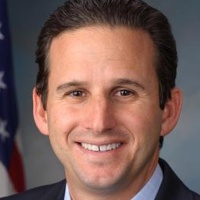
Brian Schatz
Senator
HI
This resolution supports the goals of the 2026 Day of Silence to highlight the bullying and discrimination faced by LGBTQI+ students in schools. It calls on communities to act to ensure equal educational opportunities and civil rights protections for all students. The bill affirms the importance of safe, inclusive learning environments free from harassment and victimization.
Resolution Backs Day of Silence for LGBTQI+ Student Safety and Equal Opportunity
Alright, let's talk about something that hits close to home for a lot of families and young people: what's happening in our schools. We've got a new resolution on the table that’s all about supporting safe, inclusive learning environments, especially for LGBTQI+ students. Think of it as Congress officially saying, 'Hey, we see you, and we hear you.'
What's This Resolution Actually Doing?
This isn't a new law, folks, but it's a strong statement of support. This resolution backs the goals and ideals of the 2026 Day of Silence. If you're not familiar, the Day of Silence is an event where students take a vow of silence to highlight the silencing effects of anti-LGBTQI+ bullying, harassment, and discrimination. The resolution specifically calls on communities across the country to step up and demand equal educational opportunities, basic civil rights protections, and freedom from erasure for all students, with a special focus on LGBTQI+ young people in K-12 schools. So, it's a big shout-out for creating schools where everyone, from the kid who loves coding to the one who's a star athlete, can just focus on learning without fear.
The Real-World Picture: Why This Matters Now
Now, why is Congress even talking about this? The resolution lays out some pretty stark findings. It cites data from Glistens’ 2025 National School Climate Survey, showing that a majority of LGBTQI students face verbal harassment, and nearly a quarter deal with physical harassment, just because of who they are. And for Black, Indigenous, and other students of color within the LGBTQI+ community, that number jumps to 75% reporting harassment or assault. Imagine trying to learn algebra or prepare for a job interview when you're constantly looking over your shoulder. The resolution notes that 67% of LGBTQI students feel unsafe at school, and almost 30% have missed school because of safety concerns.
It also flags the surge in state-level legislation that's been impacting these students. We're talking over 200 anti-LGBTQI+ education bills introduced annually, with 27 states enacting policies banning transgender students from sports teams matching their gender identity, and 20 states preventing them from using bathrooms or locker rooms that align with who they are. Plus, 14 states have laws censoring instruction about LGBTQI+ people. This isn't just policy-speak; it's about kids feeling targeted and erased in their own classrooms.
The Human Cost: Mental Health and Well-being
Beyond the classroom, these issues have a heavy impact on young people's mental health. The resolution highlights that nearly half of LGBTQI+ young people seriously considered suicide in the last year. And a staggering 90% of transgender and nonbinary youth say that all the debates around state legislation restricting their rights have negatively affected their mental health. For any parent or guardian, or even just someone who cares about the next generation, these numbers are a gut punch. This resolution is essentially saying, 'We need to do better for these kids.'
What the Resolution Hopes to Achieve
So, what's the big takeaway? The resolution affirms a few key things. First, every young person deserves an equal shot at education and freedom from fear that their civil and educational rights will be stripped away. Second, positive school environments, free from bullying and discrimination, actually lead to better safety, mental well-being, and improved academic results for everyone. Think about it: a less stressed student is a better learner. Third, it points to affirming policies—like anti-bullying protections, gender-neutral dress codes, and inclusive learning practices—as proven ways to tackle hostile school environments. Finally, it supports events like the National Day of Silence, No Name-Calling Week, and a Rise Up Resolution to push for equal opportunities and civil rights for all students.
In essence, this resolution is a call to action. It recognizes the contributions of students, families, educators, and community members who participate in the Day of Silence. And it encourages every state, city, and local educational agency to adopt laws and policies that ban bullying and discrimination against students, teachers, and staff based on sexual orientation, gender identity, or sex characteristics. The goal is simple: make every school in the U.S. a place where everyone can truly focus on learning, not just surviving.