This resolution establishes the majority party's committee assignments for the 119th Congress.
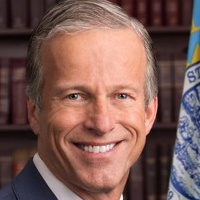
John Thune
Senator
SD
This resolution formally establishes the majority party’s committee assignments for the 119th Congress. It outlines the specific membership and leadership for the Committees on Appropriations, Armed Services, Health, Education, Labor, and Pensions, and Indian Affairs. These appointments remain in effect until successors are chosen.
Senate Sets 119th Congress Leadership: Majority Party Members Assigned to Four Powerhouse Committees
This resolution officially locks in the majority party’s roster for four of the Senate’s most influential committees during the 119th Congress. By naming specific senators to the Committees on Appropriations, Armed Services, Health, Education, Labor, and Pensions (HELP), and Indian Affairs, the resolution establishes who will hold the gavels and the voting power. These assignments remain in effect for the duration of the 119th Congress or until the Senate decides to swap them out.
The Room Where It Happens
Think of this resolution as the official seating chart for the people who control the federal checkbook and national policy. The Committee on Appropriations, led by Chair Ms. Collins, is where the actual math of government happens; they decide how much money goes to everything from local infrastructure projects to national parks. If you are a contractor working on a federal highway project or a researcher relying on a government grant, the names on this list—including Senators McConnell, Murkowski, and Graham—are the ones overseeing the flow of those funds.
Defense, Health, and Daily Life
The other committees listed here touch almost every aspect of modern life and work. The Armed Services Committee, chaired by Mr. Wicker, manages the military budget and policy, which directly impacts defense industry workers and military families. Meanwhile, the HELP Committee, under Mr. Cassidy, handles the rules for your workplace, your healthcare options, and the student loans your kids might be taking out. Finally, the Committee on Indian Affairs, chaired by Ms. Murkowski, focuses on the specific legal and economic relationships between the federal government and Tribal nations. While this looks like a simple list of names, it’s actually the starting whistle for how these major sectors will be regulated and funded for the next two years.