This resolution designates 2026 as the "International Year of Rangelands and Pastoralists" to honor the ecological, economic, and social importance of rangelands and the stewards who manage them.
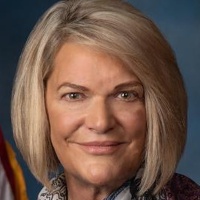
Cynthia Lummis
Senator
WY
This resolution formally recognizes 2026 as the "International Year of Rangelands and Pastoralists." It highlights the vital ecological and economic contributions of rangelands while honoring the generations of ranchers and land managers who sustain them. The measure encourages nationwide efforts to promote education, research, and sustainable management practices for these essential landscapes.
U.S. Joins Global Recognition of 2026 as International Year of Rangelands and Pastoralists
This resolution officially puts the United States on the calendar for a global celebration in 2026, marking it as the 'International Year of Rangelands and Pastoralists.' While it doesn’t change any laws or hike your taxes, it formally recognizes the massive footprint of rangelands—which cover nearly 36 percent of the U.S. and over half the Earth’s surface. By aligning with a United Nations designation, the resolution aims to shine a spotlight on the people who manage these lands, from the ranchers in the American West to nomadic herders across the globe, and the critical role they play in our food supply and environmental health.
More Than Just Open Space
Rangelands aren't just empty land; they are economic and ecological powerhouses. According to the resolution, these areas—which include everything from prairies and wetlands to tundras—support nearly 2 billion people worldwide and provide the forage for 60 percent of the Western cattle herd. For the average consumer, this means the steak on your grill or the wool in your winter coat likely started on these lands. The resolution highlights that these ecosystems do heavy lifting behind the scenes by storing carbon, providing wildlife habitats, and acting as massive natural water filters that keep our resources clean.
The Boots on the Ground
A major focus of this measure is acknowledging 'pastoralists'—the ranchers, herders, and land managers who actually do the work. The text points out that active management, like strategic grazing, can slash the risk of catastrophic wildfires by up to 60 percent. For those living in fire-prone states, this isn't just trivia; it’s a matter of public safety. The resolution recognizes that these managers use a mix of traditional knowledge passed down through generations and modern science to keep the land resilient against drought and degradation.
Looking Toward 2026
Because this is a resolution rather than a mandate, it serves as a green light for federal agencies, universities, and local organizations to start planning for 2026. You can expect to see an uptick in research grants, educational programs, and public outreach aimed at rangeland health. For students and scientists, this could mean more funding opportunities for land management studies. For the rest of us, it’s a nudge to recognize that the vast, open stretches of the country are actively managed assets that keep our agricultural economy moving and our natural environment stable.