This resolution expresses support for designating March 2026 as "Music in Our Schools Month" to recognize the cultural importance and academic benefits of music education while highlighting disparities in access.
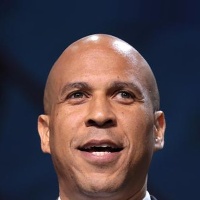
Cory Booker
Senator
NJ
This resolution expresses support for designating March 2026 as "Music in Our Schools Month." It recognizes the cultural importance and long history of music education in the U.S. The bill highlights the academic and social benefits of music programs while acknowledging disparities in access to quality music instruction. Ultimately, it calls for increased support for teaching and learning music in public schools.
Congress Moves to Designate March 2026 as Music in Our Schools Month to Address Education Disparities
This resolution is a formal nod to the idea that band practice and choir rehearsals aren't just 'extracurriculars'—they are essential parts of a well-rounded education. By aiming to designate March 2026 as 'Music in Our Schools Month,' the resolution seeks to officially recognize music as a core component of American culture and a vital tool for student development. It traces the history of music in U.S. classrooms back to 1838 and aligns with the federal Every Student Succeeds Act, which categorizes music as part of a 'well-rounded education' alongside math and reading. While it doesn't immediately cut a check to your local school district, it sets a policy framework that prioritizes music as a necessity rather than a luxury.
More Than Just a Melody
The resolution leans heavily on research showing that music education isn't just about learning to play the flute; it’s about building a better brain and a more reliable employee. It cites specific findings that participation in school music programs increases student engagement and sharpens 'workforce skills' like discipline, teamwork, and persistence. For a parent watching their kid struggle with focus, or a manager looking for hires who know how to collaborate, the bill highlights music as a training ground for these real-world traits. It specifically mentions that for at-risk students, these programs can be a primary driver of improved academic and social outcomes, providing a sense of 'fellowship and spiritual fulfillment' that keeps them connected to the classroom.
Closing the Access Gap
One of the most direct parts of this resolution is its acknowledgment of the 'zip code lottery' in arts education. It explicitly identifies that students in urban and rural areas, as well as those in schools with high concentrations of low-income, Black, Hispanic, or Native American families, are the most likely to lack access to high-quality music programs. By recognizing these 'disparate access' points, the resolution signals a need to shift resources toward these underserved communities. If you are a parent in a rural district where the arts budget is always on the chopping block, this resolution provides the official federal backing to argue that your child deserves the same cultural and cognitive head start as a student in a wealthy suburban district.
The Long-Term Rhythm
While this is a resolution and not a mandatory spending bill, it serves as a legislative blueprint for future funding and curriculum decisions. It recognizes that a 'musical society' depends on a public commitment to teaching music in all schools, not just the ones that can afford it through private donations or high property taxes. By formalizing the importance of music education now, it sets the stage for March 2026 to serve as a national checkpoint for whether schools are actually meeting these goals. For educators and small-town school boards, this is a tool to justify keeping the lights on in the music room when budgets get tight, framing music not as a hobby, but as a fundamental right for every student.