This resolution designates February 2026 as Hawaiian Language Month to recognize and support the revitalization of ʻŌlelo Hawaiʻi.
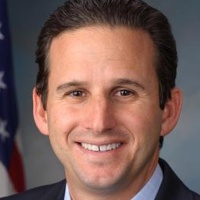
Brian Schatz
Senator
HI
This resolution officially designates February 2026 as "Hawaiian Language Month" or "ʻŌlelo Hawaiʻi Month." It recognizes the history of the Hawaiian language, its near extinction due to past suppression, and the successful revitalization efforts led by Native Hawaiians. The bill commits Congress to preserving and promoting the use of ʻŌlelo Hawaiʻi and urges the public to celebrate the month with supportive activities.
Congress Designates February 2026 as Hawaiian Language Month to Honor Cultural Revitalization
This resolution officially recognizes February 2026 as 'Ōlelo Hawai'i Month, or Hawaiian Language Month. It serves as a formal acknowledgment of the Hawaiian language’s history—from its roots as the primary tongue of the Kingdom of Hawaii to its near-extinction following an 1896 ban on its use in schools. By setting aside this specific month, the resolution aims to support the ongoing grassroots movement that has been working since the 1960s to bring the language back into daily life through immersion schools and university programs.
A Legacy of Literacy and Loss
The resolution highlights a striking piece of history: before the 1893 overthrow of the Hawaiian Kingdom, the islands boasted exceptionally high literacy rates. However, the subsequent Republic of Hawaii enacted laws that effectively silenced the language in classrooms for nearly a century. This resolution explicitly connects those past policies to the language's decline, framing the current revitalization efforts not just as a cultural hobby, but as a necessary restoration of indigenous rights. For educators and families today, this means federal recognition of the specific preschool-through-doctorate immersion systems developed at institutions like the University of Hawaii at Hilo.
Strengthening the Safety Net for Native Languages
This isn't just about a calendar date; the resolution reinforces existing laws like the Native American Languages Act of 1990 and the more recent 2022 Act that established the National Native American Language Resource Center. By aligning with these federal frameworks, the resolution encourages the public and various organizations to engage in activities that promote the practice and development of 'Ōlelo Hawai'i. For a student in a Hawaiian immersion program or a linguist working on digital preservation, this provides a high-level platform to secure resources and visibility for their work.
What This Means for the Community
In practical terms, the resolution urges people across the United States to celebrate with programs that demonstrate support for the language. While it doesn't mandate new taxes or create a new regulatory agency, it sets a standard for cultural preservation that impacts how federal agencies and educational institutions prioritize native language grants. For the average person, it’s an invitation to recognize the unique linguistic heritage of the 50th state and supports the idea that protecting a language is central to protecting the identity of a community.