This resolution recognizes the annual Army-Navy football game as "America's Game" and urges that it maintain its exclusive television time slot to honor military service.
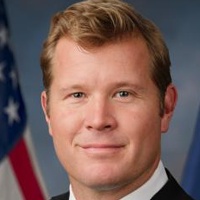
Tim Sheehy
Senator
MT
This resolution officially recognizes the annual Army-Navy football game as "America's Game" due to its deep patriotic tradition and role in inspiring military service. It urges that the game maintain its exclusive television time slot on the second Saturday of December to maximize national attention. The resolution calls on networks and associations to avoid scheduling competing games during this time to honor the service members involved.
Senate Proposes National TV Monopoly for Army-Navy Game: No Other College Football Allowed During 'America’s Game'
This resolution formally designates the annual Army-Navy football game as 'America's Game' and seeks to clear the field of all competition on the second Saturday of December. The proposal explicitly states that the game should be the only college football contest televised during its time slot to ensure maximum national attention. Beyond just a trophy and bragging rights, the resolution frames the game as a vital tool for military recruitment and national unity, calling on the Department of Defense and the FCC to look into how they can better promote the event’s 'civic importance' to the public.
Clearing the Schedule
The most direct impact of this resolution is the 'request' for a total broadcast monopoly. The text suggests that television networks, conferences, and universities should avoid scheduling any other games during the Army-Navy window. For a fan of a different team—say, a Big Ten or SEC school—this could mean your team's late-season kickoff gets moved to a less convenient time or a different day entirely just to keep the airwaves clear for the Cadets and Midshipmen. While the resolution isn't a law that can fine a network yet, it puts significant political pressure on broadcasters and schools to prioritize this one specific game over all other matchups.
More Than Just a Game
This isn't just about football; it’s about the fine print of government involvement in sports. The resolution asks federal agencies to 'examine their current policies' to improve the promotion of the game. In real-world terms, this could mean more taxpayer-funded marketing or government-coordinated media blitzes centered around the event. While the goal is to boost military recruitment and celebrate service members, the medium-level vagueness in the text means we don't quite know yet what 'improving coordination' looks like—whether it’s simple social media posts or more complex federal involvement in sports broadcasting.
The Broadcast Ripple Effect
If you’re a casual viewer or someone working in the sports industry, this move signals a shift toward treating certain sporting events as protected national assets. By identifying the FCC as having an interest in 'understanding how broadcasting affects access' to the game, the resolution hints at a future where the government might take a more active role in how private networks manage their sports calendars. For now, it’s a high-level nudge to the industry, but it sets a precedent that the federal government has a specific 'national interest' in making sure you—and everyone else—are watching one specific game at one specific time.