This resolution designates January 23, 2026, as Maternal Health Awareness Day to raise awareness about the rising crisis of maternal mortality and disparities in maternal health outcomes.
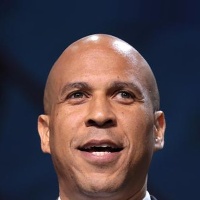
Cory Booker
Senator
NJ
This resolution officially designates January 23, 2026, as "Maternal Health Awareness Day." It aims to raise public awareness about the critical issues of maternal mortality, morbidity, and significant health disparities in the United States. The day encourages federal, state, and local entities to take action to improve maternal safety and eliminate inequities in care.
New Resolution Designates January 23, 2026, as 'Maternal Health Awareness Day' to Tackle Rising Mortality Rates
Alright, let's talk about something that hits close to home for many families: maternal health. This new resolution isn't about passing a new law with immediate cash impacts, but it's a big deal for shining a spotlight on a critical issue that's been flying under the radar for too long. It officially designates January 23, 2026, as "Maternal Health Awareness Day," aiming to get everyone from your neighbor to the feds talking and acting on this.
The Stark Reality: Why This Day Matters
So, why do we even need a Maternal Health Awareness Day? Well, the numbers are pretty sobering. The resolution lays out that over 600 women die each year in the U.S. from pregnancy or childbirth complications, and that maternal mortality rate has more than doubled since 1987. Think about that for a second – we're talking about the U.S., a developed country, seeing these kinds of increases. What's even more concerning is that a huge chunk of these deaths—87% to be exact—are considered preventable. This isn't just about the delivery room either; the resolution notes that nearly 30% of these deaths happen between 7 and 42 days after delivery, and another 28% occur even later, up to a year postpartum. It's a reminder that the health journey for new moms doesn't end when the baby arrives.
Unequal Burdens: Who's Bearing the Brunt?
This resolution really pulls back the curtain on the massive disparities in maternal health, and this is where it gets particularly tough. If you're a Black woman, your pregnancy-related mortality ratio is more than three times higher than for White women. For American Indian and Alaska Native women, it's over four times higher. These aren't just statistics; these are real people, real families, and real communities being disproportionately affected. And it's not just about race; where you live matters too. If you're out in a rural area, you're facing higher rates of complications and death because 59% of rural counties are considered "maternity care deserts." That means longer drives to a birthing hospital—2.6 times longer on average—which can be a life-or-death difference when every minute counts. This resolution, by highlighting these specific disparities, is pushing for everyone to acknowledge and address these systemic issues head-on.
Beyond Awareness: What's the Goal?
Designating a day isn't just a symbolic gesture here. The resolution explicitly supports several key goals for Maternal Health Awareness Day. First, it's about raising public awareness, which means getting these facts out there so more people understand the severity of the situation. Second, it's a call to action, urging everyone from the federal government down to local communities, healthcare providers, and even individual physicians to step up and work on reducing these adverse outcomes and improving maternal safety. This includes promoting initiatives to eliminate disparities and ensure that all mothers receive respectful and equitable care. Basically, it's saying, 'Hey, this is a problem, and we all need to be part of the solution.' It also honors those who have passed away due to pregnancy-related causes, which, for anyone who's lost a loved one, is a powerful and necessary acknowledgment. Ultimately, it’s about pushing for "meaningful investments" in maternal health, which could translate into better resources, more support, and safer experiences for new moms everywhere.