This resolution reaffirms the United States' commitment to leading global efforts in promoting and protecting religious freedom.
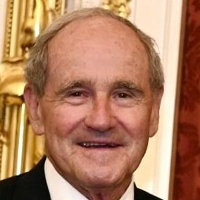
James Risch
Senator
ID
This resolution expresses the urgent need for the United States to reaffirm its global leadership role in protecting religious freedom. It highlights rising religious intolerance worldwide and calls on the Secretary of State to use all available tools to discourage foreign governments engaged in violations. The resolution commits the U.S. to supporting those seeking freedom from authoritarian repression.
New Resolution Pushes State Dept. to Confront 27 Nations Over Religious Freedom Violations
This resolution is essentially a strong mission statement from Congress, reaffirming that religious freedom is a core American value protected by the First Amendment. It declares that the U.S. is the global champion for this right, citing existing laws like the International Religious Freedom Act of 1998, and calls out specific countries where this right is being trampled.
It doesn't create new laws or allocate new money, but it sends a clear, powerful message to the State Department: keep religious freedom at the top of the foreign policy agenda. It specifically points to the arrest of Zion House Church members in China and the suppression of Christians in Nicaragua as examples of the problem, noting that over 360 million Christians worldwide face high levels of persecution.
The Diplomatic Pressure Cooker
The most tangible part of this resolution is the list of 27 countries it names—including China, Russia, Iran, India, and Saudi Arabia—where governments are allegedly violating religious freedom. For regular folks, this is important because it means the U.S. government is officially prioritizing human rights concerns over potentially smoother diplomatic or trade relations with these specific nations.
The resolution specifically encourages the Secretary of State to "use all available tools and resources to discourage foreign governments from continuing patterns of violations." While this sounds vague, in diplomatic speak, "all available tools" can range from public condemnation and withholding foreign aid to imposing targeted sanctions on specific officials or entities. It’s a green light for aggressive diplomacy.
Supporting the Policy Watchdogs
The resolution also throws its full weight behind two key State Department roles: the Ambassador-at-Large for International Religious Freedom and the Special Envoy to Monitor and Combat Antisemitism. It asks these offices to work together to ensure "no faith or believer is left behind." This is a signal that Congress is committed to institutionalizing and coordinating these specific diplomatic efforts, ensuring that religious freedom advocacy isn't just a fleeting priority but a permanent fixture in U.S. foreign policy.
For those who care about human rights abroad, this resolution acts as a strong mandate, confirming that the U.S. will continue to support people seeking freedom from authoritarian repression. While it won't change the law, it sets the tone for how the U.S. will engage with nearly thirty countries, potentially increasing diplomatic pressure on foreign governments to treat their religious minorities better—a move that could impact everything from trade negotiations to international cooperation.