This resolution designates November 2025 as National Lung Cancer Awareness Month to support early detection, treatment, and research for lung cancer.
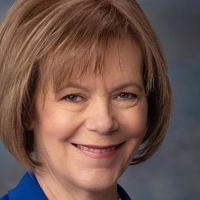
Tina Smith
Senator
MN
This resolution designates November 2025 as National Lung Cancer Awareness Month to highlight the seriousness of lung cancer, the leading cause of cancer death in the U.S. It supports efforts to increase awareness, education, and research regarding early detection and treatment. The bill specifically promotes screening for high-risk individuals and addresses barriers to diagnosis and care.
Resolution Designates November 2025 as National Lung Cancer Awareness Month to Boost Screening
This resolution officially puts a spotlight on lung cancer, designating November 2025 as “National Lung Cancer Awareness Month.” This isn't a bill that changes laws or allocates funding—it’s a formal statement recognizing the severity of the disease and encouraging public action. The core goal is to push for more awareness, better education, and increased research, especially around early detection, which is crucial for survival.
The Health Reality Check
The findings attached to this resolution lay out some sobering facts, reminding us why this awareness push matters. Lung cancer isn’t just a smoker’s disease; it’s the leading cause of cancer death in the U.S., killing more people than breast, prostate, and colorectal cancers combined. Crucially, the bill notes that between 10 and 20 percent of diagnoses are in people who have never smoked, and that proportion is growing. This is a reminder that even if you’ve never touched a cigarette, this disease is still a public health concern.
Highlighting the Screening Gap
One of the most impactful parts of the resolution is its focus on the screening problem. The text points out that while the five-year survival rate jumps to 67 percent if the cancer is caught early (at a localized stage), only about 16 percent of the 14.5 million high-risk Americans who should be screened actually get it done. Why the massive gap? The resolution cites limited facility availability, transportation challenges, and a lack of public knowledge (62 percent of adults are unfamiliar with lung cancer screening). For busy people, this means that even if you qualify for screening, finding the time and a convenient location is often a major hurdle.
Specific Focus on Vulnerable Groups
This resolution doesn't take a one-size-fits-all approach. It specifically calls out groups that face disproportionate risk or challenges. For instance, Black men have the highest lung cancer incidence and mortality rates in the country, and veterans are 25 percent more likely to develop lung cancer than the general public. To address this, the resolution promotes efforts to increase awareness and education on lung cancer affecting minorities and individuals who have never smoked. It also designates the first week of November 2025 as “National Women's Lung Cancer Awareness Week” and the second Saturday of November 2025 as “National Lung Cancer Screening Day,” creating specific hooks for targeted outreach.
What This Means for You
Since this is a non-binding resolution, it won't directly change your insurance coverage or force new clinics to open. However, its value lies in its ability to focus national attention. By formally designating these awareness periods, it gives public health organizations, hospitals, and advocacy groups a national platform to push for better resources, reduce the stigma often associated with lung cancer, and educate people on who qualifies for screening. If you're in the high-risk category (typically older adults with a significant smoking history), this increased awareness could lead to more public campaigns encouraging you to talk to your doctor about getting screened—a conversation that could literally save your life.