This resolution commemorates World AIDS Day by supporting goals to end the HIV epidemic through continued domestic and global efforts in prevention, treatment, and research.
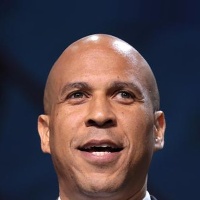
Cory Booker
Senator
NJ
This resolution commemorates World AIDS Day and supports the global and domestic goals to end the HIV epidemic by 2030. It recognizes significant progress made through initiatives like PEPFAR and the Ryan White Program while highlighting ongoing challenges, particularly regarding disparities in affected communities. The resolution urges continued funding for prevention, treatment, and research both in the U.S. and internationally.
Resolution Backs World AIDS Day Goals: Commits to Ending Epidemic by 2030 and Continued Funding for PEPFAR, Ryan White Programs
This resolution is all about officially recognizing and throwing full support behind the goals of World AIDS Day, celebrated every December 1st. Essentially, it’s Congress reaffirming its commitment to ending the HIV/AIDS epidemic globally and domestically by 2030, specifically targeting zero new transmissions, zero discrimination, and zero AIDS-related deaths. While resolutions don’t change law or allocate new money, they act as a strong policy signal, backing continued funding and political will for existing, life-saving programs like the Ryan White Comprehensive AIDS Resources Emergency Act and the President's Emergency Plan for AIDS Relief (PEPFAR).
The Real-World Impact of Sticking to the Plan
For most people, the Ryan White Program is the backbone of domestic HIV care. This resolution commends the program, which serves over half of all people diagnosed with HIV in the U.S. By supporting its continuation (Section 10), the resolution signals that the medical care and support services provided to uninsured or underinsured people living with HIV—things like drug assistance, outpatient medical care, and case management—should remain a priority. For a person living with HIV, this is the difference between consistent treatment and a crisis.
The Global Lifeline: PEPFAR and the Global Fund
The resolution spends significant time detailing the success of U.S. global health efforts. It notes that PEPFAR, the program started in 2003, has saved an estimated 26 million lives and supports treatment for over 20 million people globally (Section 3). It also highlights the U.S. role as the largest donor to the Global Fund to Fight AIDS, Tuberculosis and Malaria, which has helped provide antiretroviral therapy to millions. Why does this matter to someone in the U.S.? Beyond the humanitarian aspect, the resolution points out that continued funding for these programs (Section 10) is essential for maintaining global health security and preventing the resurgence of the disease, which directly impacts research and prevention efforts here at home.
Addressing the Disparities That Remain
The text is very clear that the fight is far from over, both globally and domestically. It highlights that in the U.S., communities of color are disproportionately affected, and southern states account for 52% of all new diagnoses (Section 7). It also notes that 13% of the 1.2 million people living with HIV in the U.S. are unaware of their status. By urging the scaling up of comprehensive prevention services and focusing on reducing disparities (Section 12), the resolution supports continued efforts to get testing and treatment into the communities that need it most, whether that means mobile testing units in rural areas or targeted outreach to vulnerable populations like young men of color.
The Power of a Promise
Ultimately, this is a resolution, not a law, meaning it doesn't change your tax bill or mandate a new regulation. It's a formal promise to keep the momentum going. It supports continued funding for research (Section 10), which is critical for the long-term goal of an AIDS-free generation and ensuring that treatment remains effective. It also calls for reducing discrimination and stigma (Section 9), a key structural barrier that often prevents people from seeking testing and care. In short, it’s a policy nod that says: We see the progress, we know the work isn't finished, and we are committed to keeping the money flowing to the programs that are actually working.