This resolution supports designating November 20 to December 20, 2025, as National Survivors of Homicide Victims Awareness Month to recognize the impact of homicide and the need for comprehensive support for survivors.
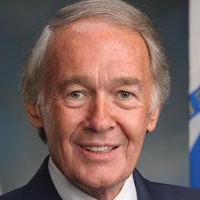
Edward "Ed" Markey
Senator
MA
This resolution expresses support for designating November 20 to December 20, 2025, as "National Survivors of Homicide Victims Awareness Month." It recognizes the profound trauma and ongoing needs of families who lose loved ones to homicide. The bill affirms the importance of providing holistic support services to survivors and honors their leadership in working to end violence. Ultimately, it calls upon the nation to raise awareness and respond to grieving families with compassion and competence.
Congress Backs November 2025 Awareness Month for Homicide Survivors, Calls for Better Police Clearance Rates
This resolution isn't a new law that changes your taxes or mandates a new program; it’s Congress expressing support for officially designating November 20 through December 20, 2025, as “National Survivors of Homicide Victims Awareness Month.” It’s essentially a formal recognition that losing a loved one to homicide is a massive public health crisis with devastating, long-term ripple effects. The core purpose is to validate the trauma survivors face and push for better support systems and research.
The Real-World Cost of Unseen Trauma
When we talk about homicide, we often focus on the victim, but this resolution focuses squarely on the people left behind—the at least 10 surviving family members for every victim. The analysis points out that this trauma isn’t just emotional; it leads to chronic health issues and significant economic burdens. For the average person, this means if your neighbor loses a child to violence, they aren't just grieving; they are often facing years of unaddressed behavioral health needs and financial instability while navigating a complex justice system. The resolution specifically notes that support for these survivors must be “holistic, coordinated, compassionate, and consistent,” recognizing that healing isn't a one-time event.
Why This Matters for Public Safety and Equity
The resolution highlights several alarming facts that hit close to home. For example, it notes that almost 1 in 4 Black or Latinx adults report losing a loved one to gun-related homicide, underscoring the disproportionate impact violence has on certain communities. It also flags a major issue that affects everyone: 40 percent of homicides in the United States remain unsolved. The resolution doesn't just call for awareness; it actively supports research aimed at increasing the national homicide clearance rate (currently near 50 percent), which is one of the lowest among developed nations. If you’re a survivor, a higher clearance rate means a greater chance of justice and closure, which is critical for healing. For the rest of us, it means better public safety and a more effective law enforcement system.
What Happens Next?
Since this is a resolution, it doesn't allocate funds or create new agencies. Instead, it serves as a powerful signal to federal and state agencies, non-profits, and the public about where attention and resources should be directed. It supports efforts to improve both the access to and the quality of behavioral health services available for survivors—a crucial area given the documented trauma. Essentially, Congress is putting its weight behind the idea that we need to treat the trauma of survivors as seriously as we treat the crime itself. It calls on the public to observe the designated month and respond to all families experiencing loss after a homicide with consistency, compassion, and competence, centering principles like justice and hope. Think of it as a formal nudge to everyone—from police departments to your local community center—to step up their game when supporting those who have lost so much.