This resolution formally notifies the House of Representatives of the election of Charles E. Grassley as President pro tempore of the Senate.
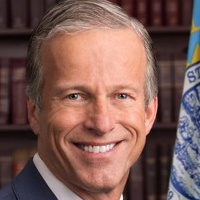
John Thune
Senator
SD
This resolution formally notifies the House of Representatives of the election of the Honorable Charles E. Grassley as President of the Senate pro tempore.
Senate Formalizes Leadership: House Notified of Senator Grassley’s Election as President Pro Tempore
This resolution is a straightforward procedural move that officially informs the House of Representatives that the Senate has elected Senator Charles E. Grassley as President pro tempore. While it sounds like a mouthful of legalese, the 'President pro tempore' is essentially the person who steps in to preside over the Senate when the Vice President isn't around. This specific resolution serves as the formal handshake between the two chambers of Congress, ensuring everyone is on the same page regarding who is holding the gavel.
The Mechanics of the Handshake
In the world of D.C. bureaucracy, things don't officially happen until they are put on paper and sent across the hall. By passing this resolution, the Senate is checking a necessary box in the legislative process. For a busy professional or a trade worker, this doesn't change your tax bracket or your commute, but it does ensure that the gears of the federal government are technically aligned. It’s like a company sending an internal memo to the sales department letting them know who the new floor manager is so that operations can continue without a hitch.
Why the Protocol Matters
While this is a low-stakes administrative notification, it maintains the 'chain of command' within the legislative branch. The President pro tempore is third in the line of presidential succession, so the formal notification to the House isn't just a courtesy—it’s a requirement for institutional clarity. Because this bill is purely procedural and carries a low level of vagueness, there are no hidden fees or surprise regulations tucked away in the text. It is a clear-cut instance of the government following its own rulebook to keep the lights on and the meetings scheduled.