This resolution condemns the suggestion that criticizing the President is illegal and reaffirms that free speech criticizing the President is lawful and essential to American democracy.
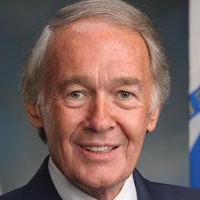
Edward "Ed" Markey
Senator
MA
This resolution condemns any suggestion that criticizing the President is illegal, reaffirming the fundamental importance of free speech under the First Amendment. It declares that criticism of the President is lawful and essential for a healthy democracy. The Senate urges the administration to refrain from using government power to punish or intimidate dissenting viewpoints.
Senate Resolution Affirms Free Speech Against Executive Criticism: An Essential Check on Power
A new resolution hitting the Senate floor isn't about setting budgets or building infrastructure; it's about drawing a hard line on the First Amendment. This resolution formally condemns any suggestion by President Donald J. Trump or his administration that criticizing the President is somehow “illegal” or punishable. It’s a clear, constitutional reminder that the ability to call out the government—even the person running the executive branch—isn't just a right, it's the bedrock of American democracy. Essentially, the Senate is using its voice to say, “We read the Constitution, and so should you.”
The Right to Rant: Why This Matters
For most people, the right to complain about the President, the traffic, or the price of gas is just part of being an American. This resolution focuses on protecting that right from a specific threat: the potential use of government power to silence dissent. The Senate affirms that the First Amendment protects the right to criticize any public official, including the President, ensuring individuals can engage in "vigorous public debate without fearing government retaliation." Think of it as putting a giant, formal sign on the White House lawn reminding everyone that the freedom of speech applies even when the speech is inconvenient or annoying to the person in charge.
Keeping the Regulators in Check
The resolution’s most practical urging is directed at the Trump administration officials themselves. It explicitly asks them to refrain from using their official powers—things like regulatory authority, licensing, investigations, or enforcement—to "penalize or suppress speech that criticizes President Trump or the policies of his administration." This is the real-world application. If you’re a small business owner who posts a critical meme online, you shouldn't have to worry about an unnecessary OSHA inspection or a sudden, aggressive audit from the IRS as payback. This provision is designed to shield citizens, journalists, and even comedians from the administrative chill that can happen when the executive branch hints that criticism might lead to trouble.
A Constitutional Foundation, Not a New Law
It’s important to understand the limits here. This is a Senate resolution, which means it’s a formal expression of opinion and intent, not a piece of binding legislation that creates new law or imposes penalties. It won't send anyone to jail for ignoring it, but it serves a crucial purpose: establishing a clear, public record of the legislative branch pushing back against any perceived executive overreach regarding fundamental rights. For anyone who values the ability to speak their mind without looking over their shoulder, this resolution is a positive, if non-binding, reaffirmation that the system of checks and balances is still monitoring the health of free speech.