This resolution recognizes July 21, 2026, as Black Women’s Equal Pay Day to highlight the persistent wage gap and reaffirm a commitment to achieving pay equity.
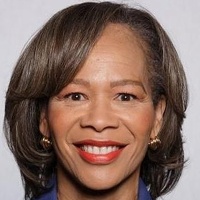
Lisa Blunt Rochester
Senator
DE
This resolution recognizes July 21, 2026, as Black Women’s Equal Pay Day to highlight the persistent and significant wage gap between Black women and white, non-Hispanic men. It details the economic impact of this disparity and reaffirms Congress's commitment to achieving pay equity through systemic change.
Congress Designates July 21, 2026, as Black Women’s Equal Pay Day to Target 65-Cent Wage Gap
This concurrent resolution officially recognizes July 21, 2026, as Black Women’s Equal Pay Day. It isn't just a calendar entry; it’s a formal acknowledgment of a massive economic leak. According to the bill’s findings, Black women working full-time earn just 65 cents for every dollar paid to white, non-Hispanic men. When you factor in part-time and seasonal work, that number slips to 63 cents. The resolution lays out a stark financial reality: over a 40-year career, this gap costs the average Black woman roughly $1,113,600 in lost earnings. To put that in perspective, the bill notes that closing this gap would cover nearly two and a half years of university tuition or 19 months of rent.
The Education and Leadership Paradox
You might think more degrees equals a smaller gap, but the bill points out a frustrating trend: the wage disparity actually widens for Black women with bachelor’s and master’s degrees compared to those with high school diplomas. This suggests that the issue isn't a lack of qualification, but systemic friction within higher-paying roles. The resolution also highlights that 69 percent of Black mothers are the primary breadwinners for their families—double the rate of white, non-Hispanic mothers—meaning when these women are underpaid, the financial stability of entire households is directly compromised.
Workplace Walls and the Cost of Silence
The bill identifies specific barriers that keep this gap wide, such as the fact that nearly half of private-sector workers are discouraged or banned from discussing their pay. This lack of transparency makes it nearly impossible for an employee to know if they are being underpaid for the same work. Additionally, the resolution cites that women of color are overrepresented in low-wage and tipped jobs, where the minimum wage has remained stagnant. It also connects the dots between workplace safety and career growth, noting that targets of sexual harassment are 6.5 times more likely to leave their jobs or pass up promotions, with Black women filing harassment charges at higher rates than any other group.
A Roadmap for Real-World Recovery
By passing this resolution, Congress is committing to a "multifaceted strategy" to bridge these gaps. The bill argues that the current pace of progress is unacceptably slow—the gap has only narrowed by 4 cents in the last 20 years. At this rate, it would take nearly two centuries to reach equity. The resolution frames equal pay not just as a matter of fairness, but as an economic engine: more money in the pockets of Black women means more spending in local businesses, more savings for retirement, and a stronger overall economy. It serves as a formal directive to prioritize policies like affordable childcare, paid family leave, and pay transparency to fix the structural issues that a simple 'Equal Pay' sticker can't solve.