This resolution supports the goals and ideals of International Transgender Day of Visibility by celebrating the achievements of the transgender community and affirming their right to equality and dignity.
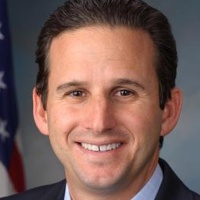
Brian Schatz
Senator
HI
This concurrent resolution supports the goals and ideals of International Transgender Day of Visibility. It celebrates the achievements, leadership, and cultural contributions of the transgender community while acknowledging the ongoing challenges and discrimination they face. The resolution affirms the right of transgender individuals to live with dignity and equal rights.
Congress Moves to Formally Recognize Transgender Day of Visibility, Celebrating Cultural and Political Milestones
This concurrent resolution is a formal statement of recognition for International Transgender Day of Visibility, a day established in 2009 to celebrate the achievements of the transgender community while highlighting the unique hurdles they face. Unlike a standard law that changes your taxes or regulates a business, a concurrent resolution acts as a collective 'official stance' from Congress. It explicitly acknowledges the bravery of living openly and identifies the systemic barriers—ranging from employment and housing to healthcare and education—that disproportionately affect transgender individuals, particularly people of color and those with disabilities. By putting these findings into the official record, the resolution seeks to shift the national conversation toward inclusion and equal dignity.
A Roll Call of Milestones
The resolution spends a significant amount of time documenting the shift from the margins to the mainstream. It specifically cites the rise of transgender representation in government, noting that at least 36 states now have transgender officials at the state or local level. It name-checks historic firsts, such as Sarah McBride, the first openly transgender Member of Congress, and state legislators like Danica Roem and Mauree Turner. For the average person, this section serves as a legislative 'who’s who,' connecting abstract policy to the real people currently serving in statehouses and on local boards across the country. It also recognizes the cultural footprint of transgender artists and musicians who have shaped American media.
Addressing the Friction
Beyond the celebrations, the text gets specific about the 'erasure' the community faces. It references a record number of anti-transgender bills recently introduced at various levels of government that target education and healthcare access. The resolution also calls out specific executive orders from the previous administration (Orders 14168 through 14201) as attempts to diminish the visibility of transgender people. By acknowledging these challenges, the resolution aims to provide a counter-narrative, affirming that the community is an integral part of the American fabric. It even reaches back into history, noting that Indigenous Two-Spirit individuals were part of the continent’s social structure long before the United States was founded.
What This Means for You
In practical terms, this resolution doesn't create new regulations or mandate spending. Instead, it 'encourages' the American public to observe the day with appropriate ceremonies and activities. For a small business owner or a local organizer, this provides a federal framework to support local inclusivity initiatives or workplace programs. While it doesn't have the teeth of a new civil rights statute, it serves as a formal benchmark for equality. It signals to the public and the private sector that the federal government recognizes these individuals not just as a demographic, but as leaders and contributors to the nation’s history and future.