This bill amends the Lobbying Disclosure Act to require lobbyists to disclose whether they are exempt from registration under the Foreign Agents Registration Act.
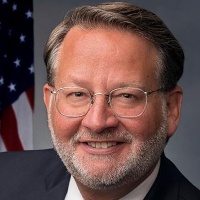
Gary Peters
Senator
MI
The Lobbying Disclosure Improvement Act amends the Lobbying Disclosure Act of 1995 to enhance transparency in lobbying registration. This bill requires lobbyists to explicitly state whether they are exempt from registration under the Foreign Agents Registration Act. This ensures clearer disclosure regarding potential foreign agent activities.
New Act Requires Lobbyists to Disclose Foreign Agent Exemption Status for Increased Transparency
The “Lobbying Disclosure Improvement Act” is a short, targeted piece of legislation that amends the existing Lobbying Disclosure Act of 1995 (LDA). Essentially, this bill is about shining a brighter light on who is lobbying Congress and whether they have any connections to foreign interests.
The New Paperwork Requirement
What’s changing is simple: When a lobbyist registers under the LDA, they will now have to include a specific statement. This statement must clarify whether or not they are exempt from registering under the Foreign Agents Registration Act of 1938 (FARA). Think of FARA as the law that requires people acting on behalf of foreign governments or political parties to register and disclose their activities.
For most people, the LDA and FARA are just alphabet soup, but here’s why this matters. Currently, many lobbyists who work for foreign entities can claim an exemption from FARA if their activities are limited to commercial transactions or if they are simply engaging in activities protected by the First Amendment. This bill doesn't eliminate those exemptions, but it forces the lobbyist to publicly declare that they are using one when they file their LDA paperwork.
Why This Matters for Accountability
This isn't about adding busywork for the sake of it; it’s about transparency. For the average person, it’s often difficult to track when a lobbyist pushing a specific policy—say, on trade or technology—might also be working for a foreign government or entity. This new disclosure acts like a flag. If a lobbyist claims the FARA exemption, it immediately signals to regulators, journalists, and the public that while they aren't registered as a foreign agent, their work might have foreign connections.
Consider a major tech company that is registered to lobby on data privacy rules. If that company is partially owned by a foreign state-backed fund, and their lobbyists claim the FARA exemption, that information becomes part of the public record. This helps oversight groups understand the full context of who is influencing policy decisions in Washington. It’s a small tweak to the paperwork, but it closes a potential information gap between the two main disclosure systems, making it harder for foreign influence to operate in the shadows. The benefit here is clearer public access to information about potential foreign ties, which is a win for government accountability.