The FITNESS Act establishes rigorous, uniform national standards for the eligibility, training, and professional conduct of federal law enforcement officers to ensure constitutional compliance and public accountability.
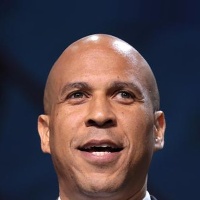
Cory Booker
Senator
NJ
The Federal Integrity, Training and National Eligibility for Service Standards (FITNESS) Act establishes rigorous, uniform national standards for the hiring, training, and conduct of federal law enforcement officers. The bill mandates comprehensive background checks, prohibits the hiring of individuals with histories of misconduct or extremist affiliations, and requires standardized, high-quality training before any officer can be deployed. Additionally, it creates a national accountability database to track officer performance and misconduct, ensuring greater transparency and public trust in federal law enforcement operations.
FITNESS Act Sets New Federal Law Enforcement Standards: Mandatory 80% Exam Scores and Bachelor’s Degrees Required
The FITNESS Act is essentially a major quality-control upgrade for federal law enforcement. It sets a national floor for who can carry a federal badge, requiring all new hires to be between 21 and 36 years old and hold either a bachelor’s degree or four years of solid work experience. It’s not just about the resume, though; the bill mandates a ‘Student Honor Code’ where cheating on an exam doesn't just get you a failing grade—it gets you permanently banned from federal service. For the average person, this means the agent at the airport or the officer handling a federal investigation has passed a standardized, rigorous vetting process that includes everything from medical exams to a deep dive into their social media history for signs of bias or integrity issues.
The New Training Gauntlet
Under Section 5, the bill bans the ‘fast-track’ training programs that agencies sometimes use during staffing shortages. Every single officer, regardless of their previous experience in a local police department, must complete the full Uniformed Police Training Program and a dedicated Use of Force Training Program. To pass, they need at least an 80% on every single exam. For immigration officers at ICE, the bar is even higher: they are required to complete an additional 584-hour specialized program and five weeks of Spanish language training. This ensures that when an officer is deployed to your community, they aren’t just ‘filling a seat’—they’ve put in the hundreds of hours required to understand the legal and physical weight of their authority.
A Digital Paper Trail for Conduct
One of the biggest shifts is the reestablishment of the National Law Enforcement Accountability Database (NLEAD) under Section 8. This acts like a permanent professional record that follows an officer throughout their career. If an officer is fired for excessive force, resigns while under investigation, or even receives a major commendation, it goes into this centralized system. Agencies are required to check this database before hiring anyone. For a citizen, this adds a layer of protection: if an officer has a history of serious misconduct in one state or agency, they can’t simply hop to a different federal agency to start fresh without their past catching up to them.
Accountability and the ICE Freeze
The bill doesn’t just ask nicely; it uses the power of the purse to ensure compliance. Section 13 prohibits agencies from using any federal funds to deploy an officer who hasn't finished their training. There is also a specific ‘freeze’ on ICE hiring (Section 11). The agency cannot hire new immigration officers or give out hiring bonuses until the Secretary of Homeland Security certifies that every single current ICE officer has met the new, tougher standards. While this might slow down hiring in the short term, the goal is to ensure the existing workforce is fully qualified before expanding, making sure the government isn't just growing for growth's sake, but growing with integrity.