This Act mandates U.S. policy to hold Chinese officials accountable for religious freedom abuses through sanctions, strengthens diplomatic efforts to protect persecuted minority groups, and requires annual congressional briefings on these initiatives.
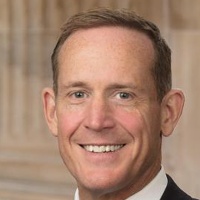
Ted Budd
Senator
NC
The *Combatting the Persecution of Religious Groups in the People’s Republic of China Act* establishes a formal U.S. policy to hold Chinese officials accountable for severe religious freedom abuses through targeted sanctions. The bill mandates increased diplomatic efforts to protect persecuted minority groups and requires the State Department to provide annual briefings to Congress on these human rights initiatives.
New U.S. Bill Targets Religious Persecution in China: Sanctions and Diplomatic Pressure Set to Increase
The U.S. is stepping up its game regarding human rights abroad. The "Combatting the Persecution of Religious Groups in the People’s Republic of China Act" is a direct response to years of documented abuses. It officially recognizes China as a "country of particular concern"—a status it has held since 1999—and creates a specific policy framework to hold individual officials accountable for actions like forced labor, arbitrary detention, and torture of religious minorities. By linking these abuses to the Global Magnitsky Act, the bill gives the government the teeth to freeze assets and ban travel for those responsible for these violations.
Putting a Name to the Abuse
This isn't just a vague statement of disapproval. The bill specifically lists groups that have been targeted, including Tibetan Buddhists, Christians, Uyghur Muslims, and Falun Gong practitioners. Section 3(a) makes it clear: if a Chinese official is found responsible for serious human rights violations—like forced sterilization or restricting someone's movement because of their faith—the U.S. will move to slap them with sanctions. For the average person, this means the U.S. is trying to ensure that people who commit these acts can't use the international financial system or vacation in the States.
Diplomacy with a Deadline
The bill also puts the State Department on the hook for more transparency. It requires the Ambassador at Large for International Religious Freedom to give Congress an annual briefing. This isn't just a casual chat; they have to report on exactly which officials were sanctioned, what diplomatic moves were made to help political prisoners, and how the U.S. is working with other countries to stop this persecution. By mandating these updates in Section 5, the bill ensures that religious freedom stays on the high-level agenda rather than getting buried in bureaucratic paperwork.
Real-World Support for Dissidents
Beyond just punishing the bad actors, the bill focuses on supporting the victims. It calls for the unconditional release of political prisoners and insists that those still detained get basic human rights—like seeing a doctor or talking to their family. It also directs the State Department to fund programs that monitor "transnational repression." This is a big deal for people living in the U.S. or elsewhere who have fled China but still feel the reach of its government’s harassment. The goal is to create a safer environment for human rights defenders and at-risk communities by documenting abuses as they happen.