This bill establishes a grant program to fund the training, certification, and supervision of community mental wellness workers to provide accessible, evidence-based mental health and substance use support.
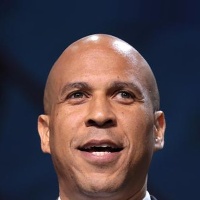
Cory Booker
Senator
NJ
The Community Mental Wellness Worker Training Act establishes a federal grant program to train and certify community mental wellness workers in providing evidence-based mental health and substance use support. By prioritizing underserved and high-need areas, the bill aims to expand access to culturally competent care, suicide prevention, and essential behavioral health interventions.
New Mental Health Grant Program to Train Community Wellness Workers for Underserved Areas Starting in 2027
The Community Mental Wellness Worker Training Act aims to bridge the gap between people needing mental health support and the current shortage of providers. Starting in fiscal year 2027, the bill authorizes $25 million annually through 2031 to create a new workforce of 'community mental wellness workers.' These aren't necessarily doctors or psychologists, but individuals trained and certified to handle basic screenings and evidence-based treatments for common issues like depression, anxiety, PTSD, and alcohol use disorder. By focusing on mild to moderate cases, the program looks to catch problems early before they escalate into crises, providing a much-needed safety net for those who might otherwise fall through the cracks of a busy healthcare system.
Expanding the Front Lines of Care
This bill isn't just about adding more names to a registry; it’s about funding the actual infrastructure of community care. Under Section 2, grant money can be used to pay for the training, certification, and clinical supervision of these new workers. For a worker in a local clinic, this might mean getting the specialized training needed to conduct suicide risk assessments or deliver culturally competent counseling that respects a patient’s specific background—whether that’s their veteran status, disability, or language needs. The bill also covers the costs of digital platforms, which is a big deal for rural areas where a person might need to use a tablet for an initial screening or follow-up treatment rather than driving two hours to a city center.
Prioritizing the Neighborhoods in Need
The rollout of these grants is specifically designed to hit the hardest-hit areas first. The Secretary of Health and Human Services is required to give priority to communities where poverty and unemployment rates are higher than the national average, or where substance use rates are spiking. For a family living in a 'medically underserved' area—essentially a place where there simply aren't enough doctors to go around—this could mean the difference between waiting six months for an appointment and seeing a certified wellness worker at a local community center next week. By targeting areas with high populations of people dually eligible for Medicare and Medicaid, the bill focuses resources on those who often face the highest barriers to quality care.
Liability and Long-Term Accountability
To get organizations like community health centers and non-profit hospitals on board, the bill extends federal liability protections to the entities and the practitioners involved in the program. This reduces the legal risk for clinics taking on the responsibility of training and supervising a new tier of workers. However, the bill keeps a leash on the program’s effectiveness through mandatory reporting. By 2031, the Secretary must tell Congress exactly how many workers were trained and how many actually got certified. While the 'medium' vagueness of the bill means the Secretary has some wiggle room to decide which 'other community organizations' can apply, the goal is clear: creating a more accessible, neighborhood-level approach to mental wellness that doesn't require a PhD to navigate.