This bill designates the United States Chancery building in Pristina, Kosovo, as the "Eliot L. Engel Building."
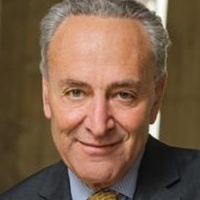
Charles "Chuck" Schumer
Senator
NY
This bill officially designates the United States Chancery building in Pristina, Kosovo, as the "Eliot L. Engel Building." It further mandates that all official government documents, maps, and records reflect this new name.
U.S. Embassy Building in Kosovo to be Renamed After Former Congressman Eliot L. Engel
This legislation officially renames the United States Chancery building located at Arberia, Nr.25 Rr. 4 KORRIKU in Pristina, Kosovo, as the 'Eliot L. Engel Building'. Beyond just putting a new name on the facade, the bill mandates that every official U.S. government map, regulation, and legal document must now use this specific designation when referring to the facility. It is a straightforward administrative move aimed at honoring a former public servant through a permanent diplomatic landmark.
The Paperwork of Post-Naming
While this might seem like a simple sign-change, Section 2 of the bill ensures that the name sticks across the entire federal bureaucracy. By requiring that all 'references in law, map, regulation, document, or paper' be updated, the bill creates a ripple effect for government record-keepers. For a diplomat or a federal employee filing travel expenses or drafting a treaty involving the Pristina site, the 'Eliot L. Engel Building' becomes the only legally recognized name. It’s essentially a global 'find and replace' for the State Department’s internal database to ensure consistency in official records.
Why This Matters for the Rest of Us
For the average person working a 9-to-5 or running a business, this bill won't change your tax bracket or your commute. It is a purely ceremonial and administrative action that falls under the category of 'government housekeeping.' However, it serves as a reminder of how the U.S. marks its presence abroad. By naming the building after a specific individual, the government is codifying a piece of diplomatic history into the physical infrastructure of our international relations. It’s a low-stakes, high-permanence way of signaling U.S. values and history in a region where we maintain a significant diplomatic footprint.