The INSPIRES Act establishes a federal grant and loan program to modernize, renovate, and repair STEM and career and technical education facilities in underserved and rural communities, with a dedicated focus on improving access for Native American students.
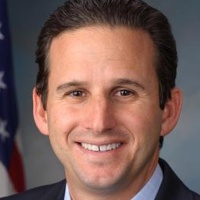
Brian Schatz
Senator
HI
The INSPIRES Act aims to strengthen the U.S. STEM workforce by providing federal grants to modernize and renovate educational facilities, particularly in rural and Native American communities. The legislation supports the creation of high-quality STEM classrooms, laboratories, and career and technical education spaces to ensure students have access to the hands-on learning environments necessary for success in the modern economy. By prioritizing public-private partnerships and facility upgrades, the Act seeks to improve student achievement and bridge the gap in STEM educational opportunities.
INSPIRES Act Proposes $50 Million Annual Boost for Rural STEM Labs and Tech Training Facilities Starting in 2027
If you’ve walked through a local middle school lately, you might have noticed the science labs look exactly like they did when you were there twenty years ago—maybe with a few more layers of paint. The INSPIRES Act is looking to change that by authorizing at least $50 million annually starting in 2027 to modernize STEM and Career and Technical Education (CTE) spaces. The goal is to bridge the gap between our aging school buildings (the average age is 49 years) and a job market that is projected to have nearly 900,000 open STEM positions by 2034. By focusing on grades 6 through 12, the bill aims to catch students right when they are deciding if they’re "math people" or not, providing the high-tech environments needed for hands-on learning.
Upgrading the Classroom to the Job Site
The bill creates two main funding streams: one for STEM facility grants and another for CTE improvements. For a student in a rural district, this could mean the difference between reading about robotics in a textbook and actually building one in a dedicated, high-speed internet-equipped lab. Section 4 specifically targets rural schools and those serving Native American communities, requiring states to set aside 10% of their funding for projects on or near trust lands. This isn't just about new paint; the bill defines "qualified projects" in Section 3 to include everything from retrofitting buildings for specialized trade training to installing the broadband infrastructure necessary for modern coding or engineering projects.
The "New Collar" Economy and Local Impact
For parents and workers in rural or underserved areas, this legislation is a play for what the bill calls the "new collar economy." It recognizes that STEM skills are no longer just for software engineers in Silicon Valley—they are now essential for sustainable agriculture, healthcare, and renewable energy jobs in every zip code. To get these projects off the ground, the bill encourages public-private partnerships. If a local tech company or manufacturer chips in, the state gets priority for federal funding. For a local trade worker or small business owner, this could mean a more prepared local workforce and modernized facilities that can be used for after-school and summer programs, keeping the community competitive without relying solely on local property taxes.
Building for the Long Haul
While the bill is clear on its goals, it leaves some room for flexibility in how these buildings are actually constructed. Section 4(f) encourages states to meet high environmental standards like LEED or Energy Star, but it doesn’t strictly require them. This gives local districts more leeway to manage costs, but it might mean missing out on long-term energy savings if they opt for cheaper, less efficient builds. Additionally, the bill requires a 25% match from states and a 10% match from local agencies, though the Secretary of Education can waive these if a state is truly strapped for cash. It’s a significant investment in the physical infrastructure of education, designed to ensure that a student’s career potential isn't limited by the age of their school’s boiler room or the speed of its Wi-Fi.