The NIH Mentorship Modernization Act directs the Secretary of Health and Human Services to establish and support standardized, evidence-based mentorship requirements for NIH research training and career development awards.
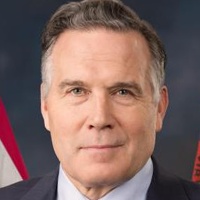
Dave McCormick
Senator
PA
The NIH Mentorship Modernization Act directs the Secretary of Health and Human Services to establish standardized mentorship requirements for National Institutes of Health (NIH) research training and career development awards. This legislation aims to improve mentor-mentee engagement and professional development by implementing evidence-based practices and providing institutions with support for mentor training. The bill ensures these standards are integrated into existing reporting processes to minimize administrative burdens while fostering a more effective research training environment.
NIH Mentorship Modernization Act Sets New Standards for Scientific Career Development and Training Support
The NIH Mentorship Modernization Act aims to overhaul the way early-career scientists are guided through the high-stakes world of medical research. By amending the Public Health Service Act, the bill requires the Secretary of Health and Human Services to establish clear, measurable standards for mentorship across various National Institutes of Health (NIH) awards. This isn't just about having a boss; it’s about ensuring that the next generation of researchers—the people working on everything from cancer cures to heart health—receive consistent professional development and career guidance. The bill specifically targets career development, fellowship, and institutional training awards, ensuring that those receiving federal tax dollars are actually getting the support they need to succeed long-term.
A Roadmap for Research Success
Under Section 489A, the new mentorship standards must include specific, measurable expectations. We’re talking about regular one-on-one engagement, formal career guidance, and periodic assessments of a researcher’s progress. For a post-doctoral fellow working late nights in a lab, this means their mentor can’t just be a name on a grant application; they have to be an active participant in that fellow's career growth. The bill also sets minimum qualifications for the mentors themselves, ensuring they have the actual competencies required to lead. To keep things from becoming a bureaucratic nightmare, the Secretary is directed to use existing NIH annual progress reports for compliance, avoiding the "double-work" that often plagues academic administration.
Spreading the Knowledge and Funding the Gap
Beyond just setting rules, the bill pushes for the dissemination of evidence-based tools like "mentoring compacts" and individualized development plans. These are essentially blueprints for the mentor-mentee relationship, clearly outlining who is responsible for what. Recognizing that high-quality mentorship takes time and resources, the bill also allows for supplemental funding to help institutions implement these changes. This could cover mentor training or the administrative costs of coordinating these programs. For a university or a research hospital, this means the government is offering a carrot along with the stick, providing the financial support necessary to turn these new standards into a reality on the ground.
Implementation and Long-Term Outlook
These changes won't happen overnight. The new standards will only apply to awards made starting two years after the bill becomes law, giving institutions plenty of time to get their houses in order. While the bill is categorized as beneficial for the scientific community, the "Medium" vagueness level suggests that the actual impact will depend on how the Secretary defines "measurable expectations" and "substantially similar" programs. If the standards are too loose, they might become a check-the-box exercise; if they are too rigid, they could stifle the flexibility researchers need. However, by requiring periodic reviews and updates based on new evidence, the bill builds in a mechanism to refine these rules as we learn what actually helps scientists thrive in a modern research environment.