The Protecting Pentagon Press Access Act mandates the restoration of historical, unescorted access for credentialed journalists within the Pentagon and prevents the Secretary of Defense from unilaterally restricting press movement or workspace.
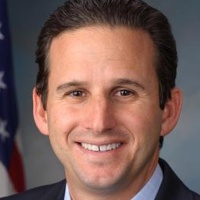
Brian Schatz
Senator
HI
The Protecting Pentagon Press Access Act aims to restore independent reporting at the Department of Defense by reversing recent restrictions on credentialed journalists. The bill mandates the return of unescorted access to traditional press workspaces within the Pentagon and establishes a secure, non-political process for issuing press credentials. Additionally, it requires the Secretary of Defense to consult with Congress before implementing any future changes to press access policies.
Pentagon Press Access Act Restores Journalist Entry and Unescorted Movement to Pre-2025 Standards
Democracy works better when we actually know what’s happening behind the closed doors of the world's most powerful military headquarters. The Protecting Pentagon Press Access Act is a direct response to recent changes that pushed reporters out of the building and into an annex. The bill mandates that within 30 days, the Secretary of Defense must reopen the 'Correspondents' Corridor' and other workspace areas that were available to credentialed media back in May 2025. This isn't just about giving reporters a desk; it’s about restoring their ability to walk the halls without a military escort, allowing for the kind of informal source building and oversight that keeps the public informed about how their tax dollars are being spent.
Clearing the Path for Accountability
For anyone who follows defense news—whether you’re a veteran keeping tabs on benefits or a tech worker curious about military AI contracts—this bill aims to cut through the curated PR. By restoring unescorted access (Section 5), the legislation ensures that journalists aren't just hearing what the Department of Defense wants them to hear during a formal briefing. It explicitly rolls back a 2026 policy that redesignated the press office as a 'secure space,' a move that effectively locked reporters out of the loop. The goal here is to make sure that the people responsible for oversight have the same level of access they’ve had for decades, spanning from World War II through the height of the pandemic.
Taking the Politics Out of the Press Pass
One of the most practical changes in this bill involves how reporters get their credentials. Currently, there’s a concern that political appointees could block journalists they don't like. This Act shifts that power by requiring the Pentagon Force Protection Agency to handle security reviews (Section 5). The bill specifies that these reviews must be conducted by career officials, not political appointees, and they can’t be delayed or reversed based on whether a reporter’s coverage is 'friendly' to the current administration. For the average citizen, this means the news you read is less likely to be filtered through a political lens and more likely to come from an independent observer who earned their spot based on security clearance, not political loyalty.
A Safety Net for Future Access
To prevent a future Secretary of Defense from simply locking the doors again, the bill adds a layer of Congressional check-and-balance. It prohibits any major changes to press workspaces or credentialing rules without first consulting the House and Senate Armed Services Committees. This makes it much harder for the Department of Defense to quietly change the rules overnight. While the bill is clear and direct about its requirements, the real-world test will be in the implementation—ensuring that 'timely' security reviews don't turn into bureaucratic foot-dragging. Ultimately, this legislation treats a free press as a necessary part of national security, not a hurdle to it.