The Accountable Produce is Medicine Act of 2026 directs the Center for Medicare and Medicaid Innovation to test a bundled payment model that provides eligible patients with chronic diseases access to medically tailored nutrition, counseling, and remote monitoring services.
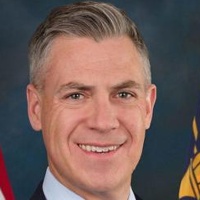
Jim Banks
Senator
IN
The Accountable Produce is Medicine Act of 2026 mandates the testing of a new bundled payment model within Medicare, Medicaid, and CHIP to integrate "food-is-medicine" interventions into clinical care. By providing eligible patients with nutrition counseling, remote monitoring, and healthy food access, the program aims to improve health outcomes and reduce costs associated with chronic, diet-related diseases. The initiative will operate for at least five years across selected programs, prioritizing evidence-based care for individuals in underserved or rural communities.
Medicare to Test 'Produce Prescriptions': New Bill Funds Healthy Groceries and Nutrition Support for Chronic Disease Patients
The Accountable Produce is Medicine Act of 2026 aims to treat food as a medical necessity for people struggling with chronic illnesses. By amending the Social Security Act, the bill requires the Center for Medicare and Medicaid Innovation (CMMI) to launch a five-year pilot program called the Accountable Produce is Medicine (APIM) Bundled Payment Model. This program would pay healthcare providers a single 'bundled' fee to cover a full year of support for patients, including providing healthy, nutrient-dense foods, nutrition counseling, and remote health monitoring. The goal is to see if investing in a grocery bag of vegetables today can prevent an expensive hospital stay tomorrow.
The Grocery Bag as a Prescription
Under this model, at least five programs will be selected to provide services to patients with conditions like diabetes, obesity, or heart disease. If you are eligible, a doctor could essentially prescribe you a year-long wellness plan that includes actual food—specifically fresh or frozen fruits and vegetables with no added sugars or salts. The bill gives a 'priority' nod to produce grown within 250 miles or via regenerative agriculture, meaning your 'medicine' might come from a local farm. Beyond the food itself, the program covers personalized health plans, care coordination, and even telehealth check-ins with dietitians. For a worker in a rural area who currently drives an hour to find a fresh head of lettuce, this could mean getting nutrient-dense food and professional health coaching delivered or facilitated right in their community without paying a dime in copays or deductibles.
Who Gets a Seat at the Table?
Eligibility is targeted at those who need it most but often have the least access. To qualify, you must be enrolled in Medicare, Medicaid, or CHIP and live in a 'medically underserved' or rural area. You also need a diagnosis for a chronic condition and a doctor’s sign-off that you’re ready to commit to the program. However, there is a catch: participation isn't a passive benefit. The bill requires programs to track your engagement and quarterly health data, like blood pressure and glucose levels. If a participant isn't 'adequately engaging' or adhering to the requirements (SEC. 3(h)(5)), the program is required to kick them out. This creates a high-stakes environment where your access to healthy food is tied directly to your ability to follow a strict medical and lifestyle regimen.
The Secretary’s Playbook and Practical Hurdles
While the bill is specific about what services are offered, it leaves a lot of the 'how' up to the Secretary of Health and Human Services. The Secretary has the power to decide which other diseases qualify as 'chronic' and which geographic areas count as 'underserved.' This flexibility is great for adapting to real-world needs, but it also means the program’s reach could shift depending on who is in office. Furthermore, starting in the third year, the government can force these programs to take on 'financial risk.' This means if a local clinic signs up to provide these services but can't prove they are saving the government money or improving health outcomes, they could face financial penalties. For small, local providers, this risk might make them hesitant to join, potentially limiting the program to larger hospital systems that have the administrative muscle to handle the paperwork.