The FIRE Cancer Act of 2026 authorizes $700 million in federal grants to provide firefighters with cancer prevention programs, including early detection testing and a voluntary data-sharing initiative to track occupational health trends.
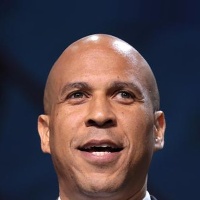
Cory Booker
Senator
NJ
The FIRE Cancer Act of 2026 establishes a $700 million federal grant program to provide firefighters with access to multi-cancer early detection and preventive testing. Additionally, the bill creates a voluntary, anonymized data-sharing initiative with the CDC to help researchers better identify and understand cancer trends within the firefighting profession.
FIRE Cancer Act Authorizes $700 Million for Firefighter Early Detection Grants and Voluntary CDC Data Tracking
The FIRE Cancer Act of 2026 aims to tackle one of the most persistent risks in the fire service: occupational cancer. By amending the Federal Fire Prevention and Control Act of 1974, this bill creates a dedicated grant category specifically for cancer prevention. It authorizes a substantial $700 million investment to help fire departments across the country set up screening programs, focusing on multi-cancer early detection (MCED) and other preventive testing for their personnel. For the men and women who spend their careers exposed to toxic smoke and chemicals, this means easier access to life-saving screenings that might otherwise be too expensive for local department budgets.
Screening at Scale
Under Section 2 of the bill, fire departments can apply for these new grants to cover the costs of advanced testing. However, the legislation includes a specific financial guardrail: a per-test cost cap of $1,750. This ensures that the $700 million authorization is spread across as many individuals as possible rather than being consumed by high-priced boutique medical services. For a local fire chief managing a tight budget, this provision turns a high-tech medical luxury into a standard workplace safety tool, similar to how departments currently fund turnout gear or breathing apparatus.
Connecting the Dots with Data
Beyond immediate testing, the bill establishes a voluntary data-sharing program between FEMA and the CDC. Firefighters who participate in the grant-funded screenings can choose to share their results—anonymously—to help researchers identify broader trends and specific cancer causes within the profession. Section 2 mandates that this data must be de-identified and handled to prevent any attribution to an individual. This creates a feedback loop where today’s screenings could lead to tomorrow’s safety breakthroughs, helping the CDC understand if certain types of calls or equipment are linked to specific health outcomes.
Practical Implementation and Privacy
The bill also includes technical housekeeping, relettering existing grant categories to make room for this new priority. While the focus is on prevention, the success of the program will likely depend on how quickly FEMA can roll out the grant application process and how many personnel feel comfortable sharing their health data. By keeping the program voluntary and focusing on anonymization, the bill attempts to balance the need for large-scale public health research with the personal privacy of the first responders who are on the front lines every day.