This bill restricts federal housing assistance by prohibiting funding for sanctuary jurisdictions and mandating strict citizenship verification for all housing program applicants.
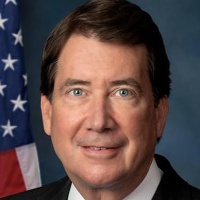
Bill Hagerty
Senator
TN
The End Housing Welfare for Illegal Aliens Act prohibits sanctuary jurisdictions from receiving Community Development Block Grants and mandates that public housing agencies verify the citizenship status of all applicants before providing assistance. Additionally, the bill eliminates prorated housing subsidies for mixed-status households and restricts noncitizen eligibility for specific supportive housing programs for the elderly and persons with disabilities.
New Housing Bill Cuts Federal Grants for Sanctuary Cities and Ends Prorated Aid for Mixed-Status Families
This bill fundamentally reshapes how federal housing dollars flow into local communities by tying funding directly to immigration enforcement. Under the 'End Housing Welfare for Illegal Aliens Act,' any city or county labeled as a 'sanctuary jurisdiction'—meaning they have policies that restrict sharing immigration status with federal authorities or refuse to honor DHS detainer requests—will be barred from receiving Community Development Block Grants (CDBG). Beyond city-wide funding, the bill also targets individual households, prohibiting any federal housing assistance from being paid out to 'mixed-status' families until every single person in the home has their legal status affirmatively verified. This marks a major shift from current rules that often allow eligible family members, like U.S. citizen children, to receive a prorated share of assistance even if other relatives in the home are ineligible.
The Price of Policy
For people living in cities that currently limit cooperation with ICE, the impact of Section 2 could hit close to home. Community Development Block Grants are the 'Swiss Army Knife' of local government funding; they pay for everything from sidewalk repairs and playground upgrades to senior centers and clean water projects. If a city chooses to maintain its sanctuary status, it would lose access to these funds entirely. This means a small business owner in a downtown revitalization zone or a family relying on a local community center could see those services dry up because of a policy dispute between their local City Hall and the federal government. The bill defines these jurisdictions broadly, covering any local practice that 'restricts' the exchange of citizenship information, though it does carve out an exception for victims or witnesses of crimes who come forward to report offenses.
No More Partial Payments
Section 3 of the bill changes the math for families where some members are citizens and others are not. Currently, if a U.S. citizen child lives with an undocumented parent, the family might receive a partial housing voucher. This bill stops that practice. It mandates that 'the applicable Secretary must not provide any financial assistance on a prorated basis' until every person in the house, regardless of age, is cleared. For a family in this situation, this could mean an immediate jump in rent or even an eviction notice while they wait for a potentially lengthy verification process to conclude. The bill also moves the needle from 'may' to 'shall' in Section 4, making it a mandatory requirement for public housing agencies to verify citizenship before a single dollar of aid is released.
Expanding the Net
The reach of these restrictions is also getting wider. Section 5 explicitly adds two major programs to the list of restricted housing: Section 811, which provides supportive housing for people with disabilities, and Section 202, which does the same for the elderly. By including these programs, the bill ensures that the new, stricter verification rules and the ban on prorated aid apply even to the most vulnerable populations. While the goal is to ensure federal funds only support those with legal status, the practical rollout could create significant administrative hurdles for local housing authorities and leave many households—including those with legal residents—facing a 'all or nothing' reality when it comes to keeping a roof over their heads.