This legislation authorizes federal grants to states to enhance the professional development, credentials, and compensation of early childhood educators.
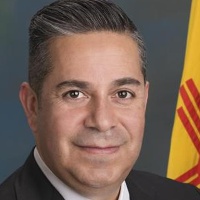
Ben Luján
Senator
NM
The Early Childhood Educator Professional Improvement Act of 2026 provides federal grants to states to strengthen the early childhood workforce. This initiative supports educators through scholarships, professional development, and increased compensation to improve educational standards and career pathways. By fostering collaboration between state agencies and higher education institutions, the Act aims to enhance the quality of early childhood education programs nationwide.
New Early Childhood Act Proposes Scholarships and Pay Raises for Preschool Teachers Starting in 2027
If you’ve ever tried to find quality childcare, you know the struggle: it’s expensive for parents, yet the people teaching our kids often make less than parking attendants. The Early Childhood Educator Professional Improvement Act of 2026 aims to fix that disconnect by pumping federal cash into state programs specifically designed to level up the workforce. Starting in fiscal year 2027, the bill authorizes the Secretary of Health and Human Services to hand out five-year grants to states that build a real career ladder for educators. This isn't just a suggestion; states have to show they have an actual plan—a "career and wage lattice"—to move teachers from entry-level roles to degree-holding professionals with the paycheck to match.
A Degree Without the Debt
For the teacher working at a local daycare who wants to earn a bachelor’s degree but can’t afford the tuition, Section 6 of this bill is a potential game-changer. It requires states to use grant funds for scholarships that cover the basics like tuition and books, but it goes a step further by funding "release time" and paid substitutes. This means a teacher could actually attend a mid-day seminar or practicum without losing their paycheck or leaving their classroom short-staffed. The bill also specifically targets accessibility, requiring states to offer college courses at times and locations that work for busy adults, with a specific nod to making sure rural educators aren't left behind just because they live miles from a campus.
Better Pay for Better Training
We’ve all seen “professional development” that amounts to a boring Saturday PowerPoint, but this bill ties training to the bank account. Under Section 6, states must use the money to increase compensation for educators who are actively making progress toward a degree. Even better, once that teacher finishes their bachelor’s, the bill mandates "pay parity," aiming to close the gap between what a preschool teacher makes and what a K-12 teacher with the same credentials earns. For a family struggling to stay in the profession, this could be the difference between staying in the classroom or leaving for a higher-paying retail job.
Keeping the Books Honest
The bill includes some "fine print" to make sure states don't use this federal money as an excuse to cut their own spending. The "Maintenance of Effort" provision in Section 8 requires states to keep their own funding levels at or above what they spent the previous year. While the bill is light on exactly how the government will measure "satisfactory outcomes" when it comes time to renew these grants after five years, the goal is clear: use federal dollars to supplement, not replace, the money already on the table. It’s a massive effort to treat early childhood education like the professional career it is, rather than just glorified babysitting.