The Improving CARE for Youth Act requires state Medicaid programs to cover both mental health and primary care services when provided to a patient on the same day.
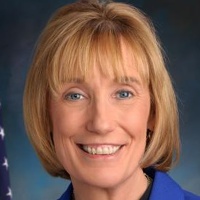
Margaret "Maggie" Hassan
Senator
NH
The Improving CARE for Youth Act removes barriers to integrated healthcare by ensuring that state Medicaid programs cannot deny payment for mental health and primary care services simply because they are provided on the same day. This legislation facilitates more efficient, coordinated care by allowing providers to be reimbursed for both service types during a single patient visit.
Medicaid to End 'One-Visit-Per-Day' Rule: New Bill Mandates Coverage for Same-Day Mental and Physical Health Appointments
The Improving CARE for Youth Act tackles a frustrating bureaucratic hurdle that has long plagued the Medicaid system: the 'same-day' billing restriction. Under Section 2, the bill amends the Social Security Act to explicitly forbid state Medicaid plans from denying payment for a mental health service just because the patient also saw a primary care doctor on the same day. Currently, many state systems operate under 'CCI' (Correct Coding Initiative) edits or state-specific rules that flag two different types of visits on the same date as a duplicate error, often forcing clinics to ask patients to come back another time or face losing reimbursement for half the care provided.
Breaking the Two-Trip Requirement
This change is a major win for logistical sanity. For a parent working an hourly job or a young adult relying on public transit, getting to a clinic once is hard enough; being told they have to return on a different Tuesday for a therapy session because they just had a physical is a massive barrier to care. The bill defines a 'same-day qualifying service' (new subsection zz) as any primary care or mental health service provided at the same office, clinic, or outpatient facility on the same calendar day. By removing the payment prohibition, the legislation ensures that if you’re already at the doctor for a check-up and your provider realizes you need an immediate mental health intervention, the clinic can actually get paid for doing both right then and there.
Efficiency for Clinics and Patients
For healthcare providers—especially those in community health centers or integrated practices—this clears a significant administrative headache. Under the new mandate, states cannot block these claims if the service would have otherwise been payable on a different day. This means a student could potentially see their pediatrician for an asthma follow-up and then walk down the hall to see a counselor for anxiety in one single trip. By aligning Medicaid rules with the reality of modern integrated medicine, the bill aims to close the gap for the millions of Americans who currently fall through the cracks when healthcare is treated as a series of disconnected silos.