The Display America's Art Act establishes a program for Members of Congress to borrow and display underutilized artwork from federally funded institutions in their offices.
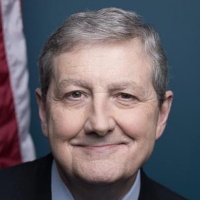
John Kennedy
Senator
LA
The Display America's Art Act establishes a new program allowing the Architect of the Capitol to loan federally owned artwork—currently held in storage by institutions like the Smithsonian—for display in Congressional offices. This initiative aims to increase public access to art collections by placing otherwise unseen pieces in the offices of Members of Congress. All loans must be mutually approved by the Architect and the lending institution to ensure the artwork is appropriate for display.
Display America's Art Act: Congressional Offices to Feature Hidden Museum Collections
The Display America’s Art Act aims to take artwork currently sitting in storage and put it on the walls of the U.S. Capitol. Specifically, it creates the Congressional Art Loan Program, which allows Members of Congress to borrow visual art from federally funded institutions like the Smithsonian for their personal and leadership offices. The catch? The art must be currently "off-display," meaning it’s not being shown to the general public, and both the Architect of the Capitol and the lending museum have to sign off on the specific piece being moved.
From the Basement to the Beltway
Under Section 3 of the bill, the Architect of the Capitol is tasked with setting up the logistics of this program. For an institution to be eligible to lend art, it must receive annual federal appropriations. This primarily targets big players like the Smithsonian museums and galleries. Think of it as a professional interior design upgrade for your representative’s office, sourced directly from the national archives. For the average person, this means that while you can’t see these specific pieces in a public gallery, they are being utilized to represent American culture in the halls where policy is made.
The Fine Print on Fine Art
The bill is relatively straightforward but leaves a few practical questions for the implementation phase. Section 2 defines an "eligible institution" broadly enough to include any museum that takes federal tax dollars, but the actual loan depends on whether the Architect and the museum agree the art is "available and appropriate for display." While this ensures that sensitive or fragile pieces aren't moved, it doesn't specify how the costs of transport, insurance, or climate-controlled maintenance in a standard office building will be handled. For a staffer working in a busy congressional office, this could mean working alongside a piece of history that usually requires a security guard and a velvet rope.
Balancing Access and Preservation
On one hand, this bill gets art out of dark storage rooms and into the light. On the other, the "public" access is limited to those visiting a Member’s office rather than a museum gallery. The real-world impact is mostly internal to the government, but it does raise questions about the long-term preservation of federally owned assets. If a painting is moved from a climate-controlled Smithsonian vault to a high-traffic office in the Rayburn Building, the bill relies on the Architect of the Capitol to ensure that "appropriate" display conditions are met to protect the art for future generations.