The Green New Deal for Public Schools Act provides comprehensive federal funding to modernize school infrastructure into zero-carbon facilities, expand the educator workforce, and promote educational equity and climate resiliency in high-need communities.
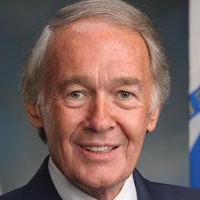
Edward "Ed" Markey
Senator
MA
The Green New Deal for Public Schools Act provides a massive federal investment to modernize school infrastructure into healthy, zero-carbon facilities while expanding the educator workforce and reducing class sizes. The legislation prioritizes environmental justice and educational equity by directing significant funding to high-need districts and schools serving low-income students. Additionally, it establishes a resiliency program to transform schools into community hubs capable of supporting neighborhoods during climate-related disasters.
Green New Deal for Public Schools: $446 Billion for Zero-Carbon Retrofits and Smaller Class Sizes
Imagine your local public school not just as a place for math and reading, but as a high-tech community hub that stays powered up during a blackout and filters out smog on bad air days. The Green New Deal for Public Schools Act is a massive overhaul plan that aims to pour hundreds of billions of dollars into the buildings where our kids spend 180 days a year. The centerpiece is a $446 billion 'healthy green retrofits' program. This isn't just about a fresh coat of paint; it’s about stripping out old boilers, installing solar panels, and ensuring every classroom meets strict air quality and electrification standards. For a parent in an older school district, this could mean the end of 'heat days' where school cancels because the 50-year-old AC gave out.
The Classroom Upgrade
Beyond the solar panels, the bill puts serious money into the people inside the buildings. It proposes a $250 billion resource block grant program designed to help high-need districts hire enough staff to hit specific student-to-teacher ratios—think 12:1 for K-8. If you’re a teacher currently juggling 30 kids, or a parent wondering why your child can’t see a school counselor for three weeks, this provision is the game-changer. It also guarantees a massive boost for special education (IDEA) funding, aiming to hit 40% of the national average per-pupil cost. This moves special ed funding from a yearly 'maybe' in the budget to a mandatory guarantee, providing more stability for families who rely on those services.
Schools as Safety Nets
We’ve all seen schools used as shelters during hurricanes or wildfires, but this bill wants to make that official and efficient. It creates a Climate Change Resiliency Program with $4 billion in annual funding to turn schools into 'community resiliency centers.' These are spots equipped with backup power, internet, and food supplies to serve the neighborhood during a disaster. The bill specifically earmarks 50% of these funds for 'environmental justice communities'—areas that usually get hit hardest by pollution or weather events but have the fewest resources to bounce back. For a trade worker, this also means a steady stream of local jobs, as the bill requires 'Buy American' materials and prevailing wages for the construction crews doing the work.
The Long-Term Reality Check
While the bill is a massive injection of cash, it’s not without its logistical hurdles. The funding for new teachers and staff is set up as a 10-year grant, but districts are required to keep those positions funded even after the federal money runs out. For a local taxpayer, that raises a fair question: will the city or state be able to pick up the tab in 2035, or will we see a 'funding cliff' that leads to layoffs? Additionally, the bill relies heavily on the CDC’s Social Vulnerability Index to decide who gets the money first. While the bill mandates that this index be updated every two years to stay accurate, how a school is 'ranked' will determine if they get 100% of their costs covered or if they have to wait in line. It’s a bold attempt to fix systemic inequities, but the success will depend on whether the bureaucracy can move as fast as the climate is changing.