The Expanding Capacity for Health Outcomes Act of 2026 extends funding and establishes new grant authorities to support technology-enabled collaborative learning models aimed at improving public health outcomes.
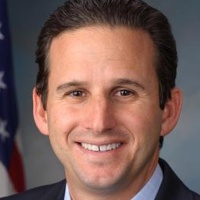
Brian Schatz
Senator
HI
The Expanding Capacity for Health Outcomes Act of 2026 extends funding through 2031 for technology-enabled collaborative learning models that improve public health. It introduces new grant authority for networks of organizations to leverage shared data in addressing critical infectious and chronic diseases. This legislation aims to strengthen healthcare capacity by supporting data-driven, collaborative approaches to complex health challenges.
ECHO Act of 2026 Authorizes Five-Year Funding Extension for High-Tech Health Training Networks
The Expanding Capacity for Health Outcomes (ECHO) Act of 2026 aims to modernize how your local doctor gets specialized medical knowledge without needing to go back to school or live in a major city. By amending Section 330N of the Public Health Service Act, this bill extends the life of technology-enabled collaborative learning programs from 2027 through 2031. It specifically targets the 'knowledge gap' in healthcare, using video conferencing and digital platforms to connect primary care teams with specialists to manage complex conditions right in their own clinics.
Scaling Up the Brain Trust
A major shift in this bill is the introduction of a new grant authority that favors teamwork over solo projects. Under Section 2, the Secretary of Health and Human Services can now award grants to networks made up of at least three organizations that already have experience with these digital learning models. Think of it like a specialized medical 'mastermind group.' For example, a rural clinic in a small town, a suburban community health center, and a university hospital could team up to tackle a specific local crisis, like a spike in diabetes or a new infectious disease outbreak. This move pushes smaller providers to pool their resources and data rather than working in silos.
Data-Driven Results
This isn't just about handing out money for Zoom calls; the bill requires these networks to prove they are actually making people healthier. To keep their funding, participants must use a shared dataset to show measurable improvements in public health issues identified by the government. If you are a patient dealing with a chronic condition like heart disease, this means your local GP might have access to the latest specialist protocols and data-backed treatments that were previously only available at top-tier research hospitals. The bill specifically mentions focusing on diseases with increasing prevalence, ensuring the money follows the most urgent health trends.
The Digital Hurdles
While the goal is to bridge the gap between rural and urban care, the bill’s 'Medium' vagueness regarding 'shared datasets' could create some administrative headaches for smaller practices. Setting up a unified data system between three different organizations requires significant IT infrastructure and staff time—resources that are often in short supply for the very clinics this bill aims to help. Additionally, because the Secretary has the power to define what counts as a 'significant public health issue,' some local health concerns might get sidelined if they don't align with broader federal priorities. However, for the average person, the long-term benefit is a more capable local healthcare provider who can treat complex issues closer to home.