The PHD Talent Act of 2026 establishes a Department of Energy pilot program to support accelerated doctoral pathways in critical technology fields, aiming to strengthen the domestic STEM workforce through university, industry, and National Laboratory partnerships.
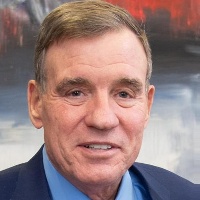
Mark Warner
Senator
VA
The PHD Talent Act of 2026 establishes a Department of Energy pilot program to strengthen the domestic STEM workforce by supporting accelerated doctoral programs in critical and emerging technology fields. Through competitive grants and fellowships, the initiative encourages partnerships between universities, National Laboratories, and industry to provide students with advanced research training and dual competency in computational methods. This effort aims to address the national shortage of high-skilled doctoral talent while maintaining rigorous academic standards.
PHD Talent Act Proposes $250 Million for Fast-Tracked STEM Doctorates to Boost U.S. Tech Workforce.
If you’ve ever looked at the time and money required to get a PhD and thought, "No way," Congress is looking to change your mind. The PHD Talent Act of 2026 aims to fix a major leak in the U.S. tech pipeline by creating the Strategic Scientific Workforce Pilot Program. Starting within a year of enactment, the Department of Energy (DOE) will hand out $250 million in grants to universities to build "accelerated" doctoral programs. These programs are designed to shave at least one full academic year off the traditional timeline for degrees in high-stakes fields like AI, quantum computing, and clean energy. For a student currently weighing a career in research against the immediate paycheck of the private sector, this could mean getting into the workforce a year earlier without sacrificing the prestige of a doctorate.
The Fast Track to Innovation
The bill focuses on "critical or emerging technology areas"—basically the stuff that will run the world in ten years, like semiconductors, robotics, and biotechnology. To make this work, the DOE is encouraging universities to create integrated bachelor’s-to-doctorate pathways. Imagine a college junior who can lock in their path to a PhD early, with the bill requiring at least three years of funding for the doctoral portion once they transition. To ensure these graduates are actually ready for the real world, the bill mandates "dual competency." This means a biology student won't just know cells; they’ll be trained to use AI and data science to analyze them. It’s about making sure the next generation of scientists can actually use the high-tech tools sitting in our National Labs (Sec. 3).
Real-World Experience and Strict Rules
This isn't just about classroom time. The legislation pushes for "research rotations," which are essentially high-level internships at National Laboratories or private industry facilities. For a student, this means building a professional network at places like Oak Ridge or a major tech firm while still in school. However, the bill is very specific about who gets the cash: only U.S. citizens, nationals, or lawful permanent residents are eligible for the financial assistance provided by these grants (Sec. 4). It also puts the burden on universities to prove there is a genuine workforce shortage in their specific field before they get a dime, ensuring the $250 million isn't just swallowed up by existing programs.
Keeping the Standards High
One of the biggest hurdles for any "accelerated" program is the fear of watering down the degree. The bill attempts to thread this needle by requiring that universities maintain full control over academic rigor and accreditation standards while they speed things up. It also includes a "sunset provision," meaning the program automatically shuts down after five years unless Congress sees enough success to renew it. While the bill aims to help the U.S. compete globally in tech, the real-world impact will be felt by the students who can suddenly afford—both in time and money—to become the experts the country needs. The challenge will be ensuring that "faster" doesn't eventually lead to "easier," a balance the DOE and universities will have to navigate carefully under the watchful eye of annual reports to Congress.