The Anti-Corruption Bureau Creation Act establishes an independent, nonpartisan federal agency to consolidate government oversight and empowers citizens to pursue civil litigation against high-ranking officials for corrupt self-enrichment.
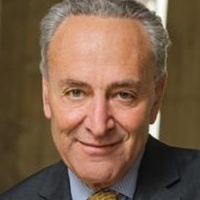
Charles "Chuck" Schumer
Senator
NY
The Anti-Corruption Bureau Creation Act establishes an independent, nonpartisan agency to consolidate and strengthen federal oversight of campaign finance, government ethics, and whistleblower protections. The bill also creates a private right of action, empowering citizens to sue high-ranking officials for corruption and recover stolen public funds. By centralizing enforcement and providing dedicated funding, this legislation aims to increase transparency and accountability within the executive branch.
Anti-Corruption Bureau Creation Act: New Federal Agency to Consolidate Ethics Oversight and Enable Citizen Lawsuits Against Corrupt Officials
This bill overhauls federal ethics by creating the Anti-Corruption Bureau (ACB), a powerhouse agency that merges the Federal Election Commission, the Office of Government Ethics, and the Office of Special Counsel into one independent entity. The ACB is designed to be a one-stop shop for investigating campaign finance violations, government self-dealing, and whistleblower complaints. To keep it from becoming a political weapon, the bill requires a bipartisan split of seven members who serve six-year terms, with a 'Blue Ribbon' panel of experts suggesting candidates to the President to ensure the leaders actually know their stuff.
The Power to Sue for 'Stolen' Funds
One of the most significant changes is the creation of a 'private right of action.' Under Title I, any citizen or state attorney general can file a civil lawsuit against high-ranking officials—including the President, Vice President, and their families—if they corruptly use their office to pocket more than $50,000. For example, if a senior official steered a massive federal contract to a family member’s business in exchange for a kickback, a whistleblower could sue to recover that money. The bill sets steep penalties: wrongdoers must pay back the money with interest, plus triple the damages caused to the U.S. government. To encourage people to come forward, whistleblowers can keep 15% to 30% of the recovered funds as a reward.
Cutting the Strings of Political Influence
To prevent the ACB from being sidelined by the people it’s supposed to watch, the bill establishes the 'Freedom From Influence Fund.' Instead of begging Congress for money every year, the Bureau will be funded by the fines and penalties it collects from corporate misconduct and ethics violations. This is a major shift intended to prevent politicians from 'starving' the agency of resources if an investigation gets too close to home. Additionally, Title III makes it a crime—punishable by up to five years in prison—for top officials to pressure the Bureau for partisan reasons. This creates a legal firewall intended to protect career, nonpartisan investigators from being fired or intimidated when they dig into sensitive cases.
Real-World Accountability and Risks
For the average person, this bill acts like a 'hidden tax' refund. By targeting pay-to-play practices that drive up the cost of government projects, it aims to ensure tax dollars go toward actual services rather than lining pockets. However, the bill isn't without its challenges. The 10-year retroactive window means officials could be sued for actions dating back to early 2025, which might lead to a surge of litigation. While the bill includes a 'frivolous suit' penalty to stop people from filing fake cases just to harass a politician they dislike, the broad definition of 'covered persons' and the potential for high-stakes lawsuits means the courts could be busy sorting through politically charged claims for years. The ACB has 180 days to get its rules in order, marking a fast-track attempt to centralize and sharpen the government's teeth against internal corruption.