This bill mandates the inclusion of Otero and Eddy Counties in New Mexico into Veterans Integrated Service Network 17 to improve health care access for rural veterans.
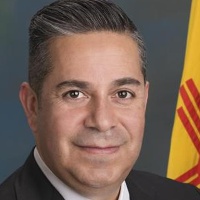
Ben Luján
Senator
NM
The New Mexico Rural Veteran Health Care Access Act mandates that the Secretary of Veterans Affairs realign Otero and Eddy Counties into Veterans Integrated Service Network (VISN) 17. This adjustment aims to improve administrative coordination and health care access for veterans residing in these rural New Mexico communities.
New Mexico Veteran Health Care Act Redraws VA Boundaries for Otero and Eddy Counties within 180 Days
The New Mexico Rural Veteran Health Care Access Act is a targeted piece of legislation designed to fix a geographic headache for veterans in the southern part of the state. Specifically, it mandates that the Secretary of Veterans Affairs move Otero County and Eddy County into Veterans Integrated Service Network (VISN) 17. By law, the VA has a 180-day deadline to redraw these administrative lines, shifting these counties from their current network into one that better aligns with the regional healthcare infrastructure.
Mapping a Better Route to Care
For a veteran living in Alamogordo or Carlsbad, administrative boundaries might seem like bureaucratic trivia until they need a specialist. Currently, VA networks—known as VISNs—determine where resources flow and which major medical centers serve as the primary hubs for local clinics. By moving Otero and Eddy Counties into VISN 17, which is centered in the Southwest region including Texas, the bill aims to align these rural areas with the medical facilities and provider networks that are often more geographically or logistically accessible. It’s the legislative equivalent of changing your phone’s roaming settings so you finally get a clear signal from the closest tower.
The 180-Day Countdown
The bill doesn't leave much room for bureaucratic foot-dragging. Section 2 sets a firm six-month clock for the Secretary of Veterans Affairs to finalize the boundary adjustments. For the local vet who has been driving hours out of their way because their 'assigned' network hub is in the wrong direction, this timeframe provides a clear light at the end of the tunnel. While the bill is short—only two sections—its impact is highly specific, focusing entirely on improving the 'where' and 'how' of healthcare delivery for rural New Mexicans who have served.