The CARE for Mental Health Professionals Act establishes a federal grant program to incentivize mental health professionals to join interstate licensure compacts, thereby increasing workforce mobility and access to care.
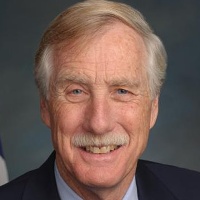
Angus King
Senator
ME
The CARE for Mental Health Professionals Act establishes a federal grant program to incentivize mental health professionals to practice in states participating in interstate licensure compacts. By funding the development and operation of these compacts, the bill aims to increase workforce mobility and expand access to mental health services across state lines.
CARE Act Proposes $16 Million Investment to Help Mental Health Professionals Work Across State Lines Through 2030
The CARE for Mental Health Professionals Act aims to fix a major bottleneck in the American healthcare system: the fact that a therapist’s license often stops working the moment they cross a state line. By establishing the Mental Health Licensure Portability Program, the bill directs the Secretary of Health and Human Services to hand out grants to the commissions and state boards that manage interstate compacts. These compacts are essentially 'driver’s license' style agreements where states agree to recognize each other’s professional credentials. With $4 million authorized annually from 2027 through 2030, the goal is to build a digital and administrative infrastructure that lets counselors, psychologists, and social workers see patients in multiple states without drowning in redundant paperwork.
Breaking the Border Barrier
Currently, if a mental health counselor in a border town wants to help a patient ten miles away in the next state, they often have to shell out thousands of dollars and spend months applying for a second license. Under Section 2 of this bill, grant money would specifically 'incentivize' practitioners to work in states that join these compacts. For a digital nomad therapist or a social worker moving for their spouse’s job, this means their career doesn't have to hit a hard reset every time they change zip codes. By funding the 'commissions'—the joint agencies that actually run these agreements—the bill tries to ensure the tech and staff are in place to verify credentials instantly across state lines.
More Providers, Fewer Waitlists
For the average person trying to book an appointment, the impact is about supply and demand. If you live in a rural area or a 'mental health desert,' your options are usually limited to whoever is physically in your county. This legislation supports the framework for telehealth and cross-state practice, meaning a pediatric counselor in a high-supply city could legally take on a client in an underserved rural district. By defining 'counselors' and 'eligible entities' broadly to include everything from psychiatry to social work, the bill attempts to cover the full spectrum of mental health care, potentially shortening the months-long waitlists that have become the norm for many families.
The Long-Term Infrastructure
This isn't just a one-time check; the bill sets a specific four-year runway starting in 2027 to get these systems off the ground. While the $16 million total isn't enough to hire thousands of new doctors, it is designed to grease the wheels of the bureaucracy that currently keeps them sidelined. The challenge will be in the implementation by the Health Resources and Services Administration (HRSA), which has 90 days post-enactment to get the program moving. For the professional managing a practice or the parent searching for a specialist, the bill represents a shift toward a more mobile, modern healthcare workforce that isn't held back by 20th-century geographic restrictions.