This bill requires political committees to include clear and conspicuous disclaimers on all online content they pay others to post.
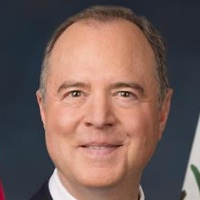
Adam Schiff
Senator
CA
The Promoting Authenticity with Influencer Disclaimers Act requires political committees to include clear, conspicuous disclaimers on any online content they pay others to post. This legislation ensures transparency by mandating that viewers are explicitly informed when digital communications are funded by a political committee. The rules apply to various media formats, including audiovisual, text, and audio content, starting January 1, 2027.
Influencer Disclosure Act Mandates Clear 'Paid For' Labels on Political Social Media Posts by 2027
The Promoting Authenticity with Influencer Disclaimers Act aims to pull back the curtain on paid political content. Starting January 1, 2027, any time a political committee pays someone to post content on a website or app, that post must include a clear and conspicuous disclaimer stating who paid for it. This isn't just for traditional ads; it covers the 'influencer' style posts that often look like personal opinions but are actually financed campaigns. The bill requires committees to notify the person they are paying about these rules at the exact moment of payment, ensuring everyone from big-time creators to local activists knows they have to label their content.
No More Guessing Games
Under Section 2, the bill sets a 'clear and conspicuous' bar that varies by format. If it’s a video or a graphic, the disclaimer has to be easily readable. If it’s a podcast or an audio clip, the disclosure must be spoken clearly. For a busy person scrolling through their feed during a lunch break, this means you won't have to hunt through a 'see more' tab or tiny fine print to figure out if that viral post about a local candidate was a genuine recommendation or a paid gig. It’s designed to make digital political spending as transparent as a TV commercial.
The Employee Loophole
There are some notable exceptions to these rules. Content posted on a committee’s own official website is exempt, as is content posted by a committee employee on their personal social media account—provided the only cost involved is the employee's salary. However, the bill includes a safeguard: if an employee’s primary job is specifically to post on their personal account to promote the committee, the disclaimer requirement kicks back in. This prevents organizations from simply hiring 'ghost' influencers as staff members to bypass the transparency rules.
Implementation Timeline
The Federal Election Commission (FEC) is tasked with hammering out the specific regulations by the start of 2027. But even if the FEC drags its feet, the law is written to take effect on January 1, 2027, regardless of whether the final regulations are polished. For digital creators and political committees, this creates a hard deadline to update their workflows. For the rest of us, it means that by the next major election cycle, the 'sponsored' nature of political influence should be much easier to spot.