The Green New Deal for Health Act establishes a comprehensive federal framework to modernize healthcare infrastructure, decarbonize the medical sector, and strengthen community resilience against climate-related health threats.
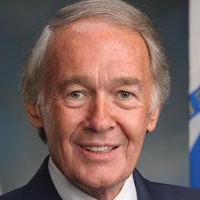
Edward "Ed" Markey
Senator
MA
The Green New Deal for Health Act establishes a comprehensive federal strategy to protect public health from the impacts of climate change while decarbonizing the healthcare sector. The legislation invests in resilient medical infrastructure, expands the community health workforce, and mandates new protections to ensure equitable access to care, particularly for vulnerable and environmental justice communities. By integrating climate science into national health policy, the bill aims to create a more sustainable, prepared, and responsive healthcare system.
Green New Deal for Health Act: $100 Billion for Disaster-Ready Hospitals and Medicare Home Upgrades
The Green New Deal for Health Act is a massive overhaul designed to make sure your local hospital doesn't go dark during a hurricane and that the healthcare industry itself stops pumping out so much pollution. It sets up a new federal office to coordinate health and climate policy, puts $100 billion toward building 'green' medical facilities, and even expands Medicare to pay for things like backup batteries for medical devices at home. The goal is to stop the cycle where the healthcare sector—which currently accounts for about 8.5% of U.S. greenhouse gas emissions—contributes to the very climate-related illnesses it has to treat.
Keeping the Doors Open
One of the most immediate changes is a new '90-day warning' rule for hospital closures. Under Title II, if a hospital wants to shut down or cut essential services, they have to give the community three months' notice and a detailed report on how it will affect local patients. If the government decides the closure will create a 'healthcare desert,' the hospital has to come up with a plan to keep care accessible—like arranging transportation to the next nearest clinic. If they don't play ball, they could be banned from Medicare for three years. This is a big deal for anyone living in a rural area or a city neighborhood where the local ER is the only option for miles.
Retrofitting the Waiting Room
Title III is where the big money lives: $100 billion for modernizing medical facilities. Think of it as a massive home renovation for your local clinic, but with a focus on survival. The bill prioritizes grants for hospitals that install onsite renewable energy, air purification systems (essential during wildfire season), and green infrastructure to manage flooding. For a nurse working a double shift during a heatwave, this could mean the difference between a facility that stays cool and functional or one that has to evacuate patients because the power grid failed. To get this cash, hospitals also have to prove they have fair labor standards and don't block workers from unionizing.
Medicare at Home and the 'Climate-Friendly' Label
For seniors or those with chronic conditions, Title VI changes the game by expanding Medicare to cover 'home resiliency services.' Starting in 2027, if you rely on an electric medical device and live in a high-risk area, Medicare could help pay for heat pumps or solar batteries to keep your equipment running during a blackout. Meanwhile, Title IV creates a 'Climate-Friendly' designation for health systems, similar to an Energy Star rating for your fridge. While this sounds great for transparency, the bill is a bit vague on the exact standards for this label, meaning it will be up to federal regulators to decide what actually counts as 'green' versus just good marketing.
The Workforce and the Fine Print
To handle the rise in heat-related illnesses and climate trauma, the bill aims to add 150,000 community health workers by 2031 with a $10 billion annual budget (Title V). It also offers hazard pay—up to $13 an extra hour—for essential health workers during disasters. However, there’s a catch for some organizations: the bill restricts certain funds from being used for activities that fall under specific union financial disclosure laws, which might make it tricky for some labor groups to participate. Additionally, while the bill 'authorizes' billions for research and infrastructure, that money isn't guaranteed; it still has to be approved by future Congressional budget votes to actually hit the streets.