The CORE Pacific Act mandates a feasibility report on embedding Department of State consular officers within U.S. Coast Guard and Navy missions to improve consular service delivery across Pacific Island nations.
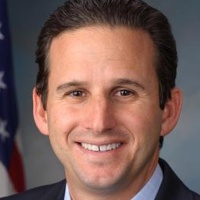
Brian Schatz
Senator
HI
The CORE Pacific Act aims to strengthen U.S. relations with Pacific Island nations by exploring more efficient ways to deliver consular services. The bill mandates a comprehensive report evaluating the feasibility of embedding State Department consular officers onto U.S. Coast Guard and Navy vessels operating in the region. This initiative seeks to improve access to essential services for citizens in areas currently underserved by U.S. embassies.
CORE Pacific Act Proposes Using Coast Guard and Navy Ships as Mobile U.S. Consular Hubs
The CORE Pacific Act (or the “Consular Operations and Regional Engagement in the Pacific Act”) is essentially a high-level feasibility study aimed at solving a major logistical headache in the Pacific. Right now, if you’re a citizen of a Pacific Island nation without a U.S. embassy, getting a visa or accessing consular services often involves expensive, long-distance travel. This bill directs the Secretary of State to team up with the Coast Guard and the Navy to see if we can just bring the office to the people. Within 120 days of the bill becoming law, these agencies must deliver a report to eight specific congressional committees—including Foreign Affairs and Armed Services—detailing whether it’s actually possible to stick State Department officers on military vessels to handle paperwork while they’re out on mission.
Floating Embassies
The core of the bill (Section 4) focuses on the "how" and "how much." It asks for a deep dive into the current demand for services and whether hitching a ride on a Coast Guard cutter would actually save time and money for local residents. For a small business owner in a remote island chain who needs a visa to attend a trade show in the U.S., this could mean the difference between a quick trip to a local port and a multi-day flight to another country. The report has to quantify these savings and look for the most cost-effective way to get these services delivered without breaking the bank or the military’s schedule.
The Logistics of Life at Sea
It’s not as simple as just putting a desk on a boat. The bill requires the government to analyze the gritty details: Does the ship have enough extra bunk space for State Department staff? Is the internet connection strong enough to process secure visa applications? Can they physically print visas on a moving vessel? Section 4 specifically asks for an analysis of how these "consular detours" might disrupt existing Navy or Coast Guard missions. It’s a classic look-before-you-leap move, ensuring that trying to help one group of people doesn't accidentally mess up national security patrols or search-and-rescue readiness.
Strategic Handshakes
Beyond the paperwork, there’s a bigger picture here. Section 2 makes it clear that Congress views these islands as vital partners in "highly strategic waters." By making it easier for people in these nations to engage with the U.S., the bill aims to strengthen relationships in a region where influence matters. It’s a soft-power play disguised as a logistics update. While the bill doesn't guarantee the program will start tomorrow, it forces the government to stop guessing and start measuring exactly what it would take to make U.S. diplomacy more mobile and accessible in the Pacific.