The No Corporate Crooks Act prohibits individuals convicted of serious corporate crimes committed while serving as a CEO from holding positions within the federal executive branch.
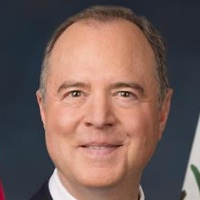
Adam Schiff
Senator
CA
The "No Corporate Crooks Act" prohibits individuals convicted of serious corporate crimes—such as fraud, embezzlement, or bribery—from serving in the federal executive branch. The bill mandates that any current executive branch employees meeting these criteria be removed from their positions.
No Corporate Crooks Act Bans Convicted CEOs from Federal Executive Roles
The 'No Corporate Crooks Act' creates a permanent 'no-entry' sign for the executive branch of the federal government for any individual convicted of specific white-collar or labor crimes if they were a CEO at the time of the offense. Under Section 2, the bill targets a wide range of 'covered crimes,' including bribery, embezzlement, fraud, and insider trading. It also notably includes wage theft and tax evasion. The kicker? The ban applies even if the crime had nothing to do with their actual job as a CEO; if the conduct happened while they held the title, they are disqualified from federal service for life.
The CEO-to-Bureaucrat Pipeline
This bill effectively creates a high-stakes background check for high-level government appointments. For example, if a tech founder was convicted of a cybercrime or a construction executive was found guilty of wage theft (violating the Fair Labor Standards Act), they would be barred from ever serving in an executive branch role, such as a Cabinet secretary or a high-ranking agency official. While the goal is to keep the federal government’s integrity intact, the bill’s reach is broad. It doesn't just apply to future hires—it mandates that any current federal employee who fits this description must be removed from their position immediately. This could lead to sudden vacancies in federal agencies if current officials have past convictions that now fall under these new rules.
Definitions and State-Level Wildcards
One of the more complex parts of the bill is how it handles state laws. Beyond federal crimes like racketeering or copyright infringement, the bill disqualifies anyone convicted of a state-level offense that is 'comparable' to the federal list. This creates a bit of a gray area. Because state laws vary wildly, what counts as 'comparable' to federal fraud or bribery might be open to interpretation by lawyers and HR departments within the government. For a professional who transitioned from the private sector to public service years ago, a decades-old state-level conviction could suddenly become a career-ending issue under the removal mandate in Section 2.
Balancing Integrity and Implementation
The bill aims to ensure that those managing the country's business haven't been caught cheating in their own. By including wage theft and tax evasion, the legislation signals that how a leader treats their employees and the IRS is just as important as how they handle a government budget. However, the lack of a 'statute of limitations' for this ban means there is no path to redemption; a mistake made early in a CEO's career results in a permanent bar from federal service. For the average citizen, this means a more vetted leadership team in D.C., but it also means the pool of experienced private-sector leaders willing to move into government might shrink as the vetting process becomes significantly more rigid.