The Stop MUSK Act expands conflict-of-interest rules to prohibit executive branch officials from participating in government matters that affect the financial interests of their current or former employers from the past four years.
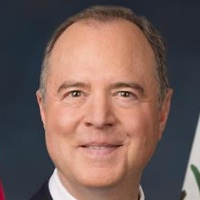
Adam Schiff
Senator
CA
The Stop Millionaires Using Service for Kickbacks (Stop MUSK) Act strengthens federal conflict-of-interest rules by prohibiting executive branch officials from participating in government matters that affect the financial interests of their current or former employers. The bill expands these restrictions to cover any organization where an official held a professional role within the four years prior to a government matter. This legislation aims to prevent potential corruption and ensure impartiality in executive decision-making.
Stop MUSK Act Expands Conflict-of-Interest Rules with Four-Year Lookback for Federal Officials
The 'Stop Millionaires Using Service for Kickbacks Act' (Stop MUSK Act) significantly tightens the ethical leash on executive branch officials by expanding when they must recuse themselves from government decisions. Under Section 2, the bill amends existing law (18 U.S.C. § 208(a)) to prohibit officials from participating in any government matter that affects the financial interests of an organization they worked for within the last four years. This isn't just for former bosses; it covers roles ranging from consultants and contractors to attorneys and even direct competitors of their former employers.
The Four-Year Rearview Mirror
Currently, ethics rules often focus on immediate conflicts, but this bill pushes the timeline back significantly. If a software engineer leaves a major tech firm to take a regulatory role at the Department of Commerce, they wouldn't just be barred from deals involving their old company—they would also be blocked from matters involving that company's 'direct competitors' for nearly half a decade. While the goal is to prevent 'revolving door' influence, the four-year window is a long time in the professional world. For a project manager or a specialized trade expert, this could mean being sidelined from the very projects they were hired to oversee because of a job they left years ago.
Casting a Wide Net on 'Competitors'
The bill introduces a broad definition of who counts as a conflict. It includes anyone who served as an 'agent, attorney, consultant, contractor, or employee' (Section 2). This creates a massive hurdle for experts coming from the private sector. For example, a consultant who provided brief advice to a construction firm three years ago might find themselves legally barred from working on federal infrastructure grants involving that firm or its rivals. Because the term 'direct competitor' isn't strictly defined in the text, it leaves a lot of room for interpretation, which could make it risky for professionals with diverse resumes to enter public service without fear of legal entanglement.
The Political Exception and the Talent Gap
Interestingly, the bill carves out a specific exception for tax-exempt political organizations (Section 527 groups). An official can remain active in a political hit-squad or fundraising org without the same recusal requirements that apply to a local business or a tech startup. The real-world friction here lies in recruitment. If the government needs a top-tier cybersecurity expert or a logistics pro from the shipping industry, those individuals might pass on the job if it means they can’t actually do the work they’re experts in for four years. While the bill aims to clean up corruption, the practical challenge is ensuring the executive branch doesn't end up with a 'brain drain' where the only people eligible to serve are those without recent, relevant industry experience.