This bill reauthorizes and increases funding for the Action for Dental Health program to support and expand the dental workforce through 2031.
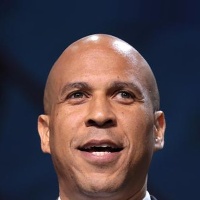
Cory Booker
Senator
NJ
This bill reauthorizes the Action for Dental Health program, increasing its annual funding to $15 million for fiscal years 2027 through 2031. The legislation aims to address critical dental workforce needs and improve access to oral healthcare services.
Dental Workforce Grant Funding Set for $1.1 Million Annual Boost Through 2031
This bill updates the Public Health Service Act to put more money into the 'Action for Dental Health' program. Specifically, Section 1 raises the annual authorized funding from roughly $13.9 million to a flat $15 million per year. The bill also stretches the timeline for this spending, covering fiscal years 2027 through 2031, and ensures that once the money is allocated, it stays available until it is actually spent. The main goal here is to keep the pipeline of dental professionals moving into the areas that need them most.
Scaling Up the Dental Pipeline
Think of this as a maintenance upgrade for a program that’s been running on an older budget. By bumping the numbers to $15 million annually, the bill aims to tackle the reality that many communities—especially rural towns or lower-income neighborhoods—don't have enough dentists to go around. For a dental student or a young professional, this could mean more grants or programs that incentivize working in 'dental deserts.' For a parent in one of those areas, it’s the difference between driving two hours for a child’s cavity filling or finding a provider right in their own county.
Long-Term Planning and Funding Floats
The bill’s structure provides two key practical benefits: predictability and flexibility. By authorizing funds all the way out to 2031, it gives dental schools and local health departments a five-year horizon to plan their staffing and outreach strategies. Additionally, the 'available until expended' clause in Section 1 is a bit of smart accounting. It means if the government hits a bureaucratic snag and doesn't spend every dime in 2027, that money doesn't just disappear back into the Treasury; it rolls over to keep the program running in 2028. This helps prevent the 'use it or lose it' spending sprees that often lead to waste in government programs.