The Medicaid Dental Benefit Act of 2026 mandates comprehensive dental and oral health coverage for adults under state Medicaid programs, supported by increased federal funding and new quality reporting standards.
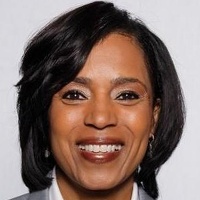
Angela Alsobrooks
Senator
MD
The Medicaid Dental Benefit Act of 2026 mandates that state Medicaid programs provide comprehensive dental and oral health coverage for adults beginning January 1, 2028. To support this expansion, the bill provides 100% federal matching funds for these services over a three-year period and directs the Secretary of Health and Human Services to establish standardized quality and equity measures. Additionally, the Act requires states to report on oral health outcomes and mandates new outreach programs to improve access and education for underserved populations.
Medicaid Dental Benefit Act of 2026 Mandates Adult Oral Care: 100% Federal Funding Starts in 2028
Starting January 1, 2028, this bill fundamentally changes how Medicaid handles adult health by making dental and oral care a mandatory benefit. Currently, states can choose whether or not to cover things like cleanings or fillings for adults, leading to a massive 'geographic lottery' for healthcare. Under Section 2, every state Medicaid program must provide dental services, including dentures, implants, and preventive care, to all enrolled adults. To make this transition easier on state budgets, the federal government will pick up 100% of the tab for these new services for the first three years (12 quarters). For someone working a low-wage job without private insurance, this means a toothache no longer has to result in a $1,000 emergency room bill or a forced extraction because they couldn't afford a simple root canal.
Filling the Coverage Gap
The bill defines 'dental and oral health services' broadly in Section 1905(ll), covering everything from routine prevention to restoring function and treating emergencies. This isn't just about aesthetics; it’s about practical health. For example, an office worker with diabetes—who is at higher risk for gum disease—would now have guaranteed access to the periodontal evaluations needed to manage their condition. The legislation also ensures that people living in nursing homes or institutional settings don't lose access to these services. However, there is a catch for those in U.S. territories like Puerto Rico or Guam: Section 2 makes this mandate optional for them, though they still get the 100% federal match if they choose to opt-in.
Accountability and the 'Equity' Scorecard
To ensure this isn't just a paper promise, Section 3 requires the Department of Health and Human Services to create a 'core set' of quality and equity measures. States will have to report annually on specific data points, such as how many adults are actually getting fluoride treatments or how often people are still ending up in the ER for non-traumatic dental pain. Crucially, this data must be broken down by race, ethnicity, disability status, and gender identity. This means if a specific community is being left behind or if wait times for specialized care like intravenous sedation are too long, the data will show it. It’s a move toward treating the mouth as part of the body, with the same level of oversight we expect for heart health or primary care.
Outreach and Real-World Hurdles
Recognizing that a benefit is useless if you don't know it exists, Section 5 launches a new outreach and education program. This program is designed to connect underserved populations with dentists and train medical professionals to be more 'culturally competent'—basically, making sure your dentist understands your specific needs, whether you have a disability or speak a different language. While the 100% federal funding is a huge win for states, the long-term challenge will be what happens after that three-year honeymoon period ends. Additionally, the bill doesn't set specific reimbursement rates for dentists, which is often the biggest hurdle to finding a provider who actually accepts Medicaid. The MACPAC report required in Section 4 will be the first real look at whether these changes are actually getting people into dentist chairs or just adding more paperwork to the system.