The Coast Guard Leadership Modernization Act establishes a new civilian Secretary and Under Secretary of the Coast Guard to provide dedicated leadership and oversight within the Department of Homeland Security.
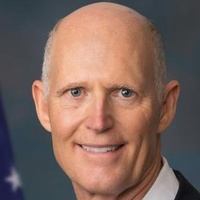
Rick Scott
Senator
FL
The Coast Guard Leadership Modernization Act establishes a new civilian leadership structure for the U.S. Coast Guard by creating the positions of Secretary and Under Secretary of the Coast Guard. This legislation shifts oversight responsibilities from the Secretary of Homeland Security to these new civilian roles, while redefining the Commandant’s reporting structure to ensure streamlined management. These changes aim to enhance administrative efficiency and clarify the chain of command within the service.
Coast Guard Leadership Modernization Act Creates New Civilian Secretary and Overhauls Reporting Structure
The Coast Guard is getting a major management makeover. This bill establishes a new civilian position, the Secretary of the Coast Guard, who will sit within the Department of Homeland Security (DHS). Think of it like adding a dedicated CEO for the Coast Guard who reports directly to the DHS Secretary, rather than having the Coast Guard compete for the big boss's attention alongside every other agency. This new Secretary must be a civilian who hasn't been on active duty for at least seven years, ensuring a fresh perspective that’s separate from the military chain of command.
A New Chain of Command
Under the current setup, the Commandant of the Coast Guard—the top-ranking military officer—reports directly to the head of DHS. This bill adds a new layer of civilian oversight by placing the Secretary of the Coast Guard and an Under Secretary between them. For the men and women serving, this means the Commandant (the person leading the military side) now answers to this new civilian Secretary (Section 2). It’s a move designed to mirror how the Army, Navy, and Air Force are run within the Department of Defense, giving the Coast Guard its own dedicated advocate at the highest levels of government.
Civilian Oversight and Military Realities
By requiring the Secretary to be a civilian with "strong management and leadership experience," the bill aims to bring corporate-style efficiency to a massive maritime agency. For a small business owner relying on clear port regulations or a commercial fisher waiting on safety certifications, having a dedicated civilian leader could mean more streamlined administrative decisions. However, the bill also ensures the Commandant isn't totally sidelined; they still have the authority to provide direct advice to the President or the National Security Council on critical matters, provided they keep their new boss, the Secretary, in the loop.
The Fine Print of the Transition
This isn't just a title change; it’s a massive legal rewrite. The bill amends Title 10 (Armed Forces) and Title 14 (Coast Guard) to swap out "Secretary of Homeland Security" with "Secretary of the Coast Guard" in hundreds of administrative spots. While this clarifies who is in charge of daily operations and personnel details, the Secretary of Homeland Security still holds the ultimate power to convene general courts-martial. The goal is to move the paperwork and specialized management closer to the actual fleet while keeping the big-picture security authority where it currently sits.