The Wildfire Emissions Prevention Act of 2026 streamlines the process for states to exclude prescribed fire emissions from air quality monitoring data and establishes a grant program to help communities mitigate the health impacts of wildfire smoke.
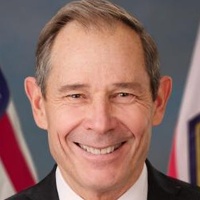
John Curtis
Senator
UT
The Wildfire Emissions Prevention Act of 2026 streamlines the regulatory process for states to manage air quality data affected by prescribed fires, recognizing their role in wildfire prevention. Additionally, the bill establishes the "Smoke Ready Communities Program" to provide competitive grants for projects that mitigate wildfire smoke hazards in schools and other community buildings.
Wildfire Emissions Prevention Act of 2026: New $35 Million Grant Program for Smoke-Proofing Schools and Public Buildings
If you’ve lived through a bad wildfire season lately, you know the drill: checking the air quality index like it’s the weather, taping up windows, and wondering if the air inside your kid’s classroom is actually safe. The Wildfire Emissions Prevention Act of 2026 is a major attempt to deal with that reality. At its core, the bill does two big things: it creates a massive grant program to 'smoke-proof' community buildings, and it changes the legal math on how we track air pollution when things go up in flames. It’s a mix of practical help for our lungs and some technical accounting changes that might make environmental purists a little nervous.
Scrubbing the Air in Shared Spaces
The most immediate impact for most of us is the 'Smoke Ready Communities Program' (Section 3). This isn't just a vague promise; it’s a competitive grant setup where the EPA can cover up to 90% of the cost to assess and fix smoke hazards in community centers and schools. Think high-end air filtration systems (HEPA), better HVAC seals, and monitoring equipment. For folks in economically distressed towns, the bill allows the EPA to waive the local 10% match entirely, meaning the federal government picks up the whole tab. If you’re a parent in a smoke-prone area, this could mean the difference between your child’s school being a safe haven or a health hazard during a 'red air' day.
Redefining the 'Exceptional' Event
On the more technical side, Section 2 of the bill changes how the Clean Air Act treats smoke from 'prescribed fires'—those controlled burns used to clear out brush before it becomes a mega-fire. Currently, states can be penalized if their air quality looks bad on paper, even if the smoke came from a necessary controlled burn. This bill officially labels prescribed fires as 'exceptional events,' meaning that data can be excluded when the EPA decides if a state is meeting federal air standards. This is a win for forest managers who want to do more preventative burning without getting their state in legal trouble, but it’s a bit of a double-edged sword: it makes the official air quality data look better on paper, even if the actual air you’re breathing is still hazy.
The One-Year Clock and Potential Pitfalls
There’s a significant 'use it or lose it' rule tucked into Section 2. If a state asks the EPA to exclude smoke data from their records, the EPA has exactly one year to say yes or no. If the EPA misses that deadline, the request is automatically approved. While this cuts through bureaucratic red tape for state officials, it’s a potential concern for transparency. If the EPA is understaffed or overwhelmed, some pollution events might get 'hand-waved' away without a proper look. For people with asthma or COPD, this matters because accurate data is what triggers public health warnings and long-term cleanup plans. The bill tries to balance this by requiring the EPA to consult with tribes and state agencies to ensure these exclusions don't become a loophole for routine industrial pollution.